Miniature relays are compact and efficient electromechanical devices that play a crucial role in controlling electrical circuits. Their small size and versatile functionality make them an ideal solution for a variety of applications, ranging from home appliances to industrial automation systems. In this article, we will explore the features, advantages, and common uses of miniature relays, shedding light on why they have become essential components in modern electrical systems.
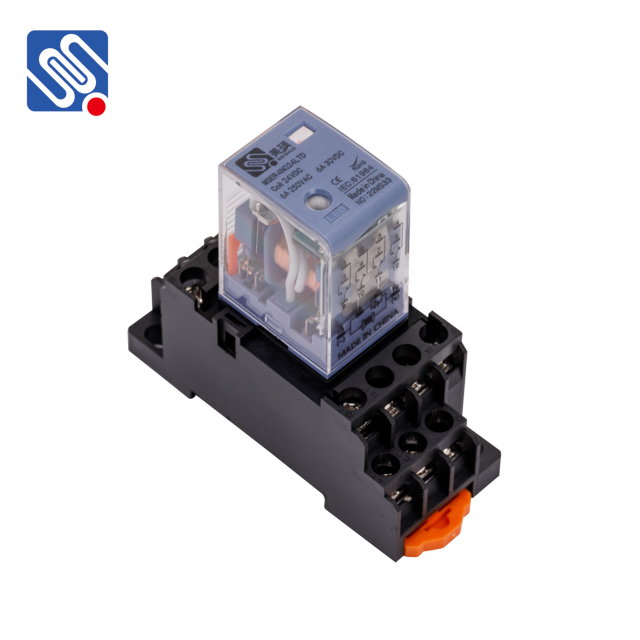
What is a Miniature Relay? A miniature relay is a type of electromagnetic switch designed to control a circuit by opening or closing contacts when an electrical signal is applied to its coil. Unlike standard relays, miniature relays are significantly smaller in size while still maintaining the capability to switch relatively high current and voltage. These relays typically operate with low-power control signals and are capable of handling loads from a few amps to tens of amps, depending on the specific model. Key Features of Miniature Relays Compact Design The primary advantage of miniature relays is their small size. These relays are designed to fit in tight spaces where traditional larger relays cannot be accommodated. The compact form factor allows engineers to integrate them into systems with limited real estate, making them perfect for modern electronic devices and automated systems.