A Normally Open Solenoid Valve (NOSV) is a crucial component in modern automation and control systems. This type of valve is designed to remain open when it is not powered, allowing fluid to flow freely. Upon receiving an electrical signal, the valve closes, cutting off the flow. Its unique functionality makes it invaluable in various applications, from industrial machinery to safety systems. In this article, we will delve into the principles of operation, the design features, and the diverse applications of the Normally Open Solenoid Valve.
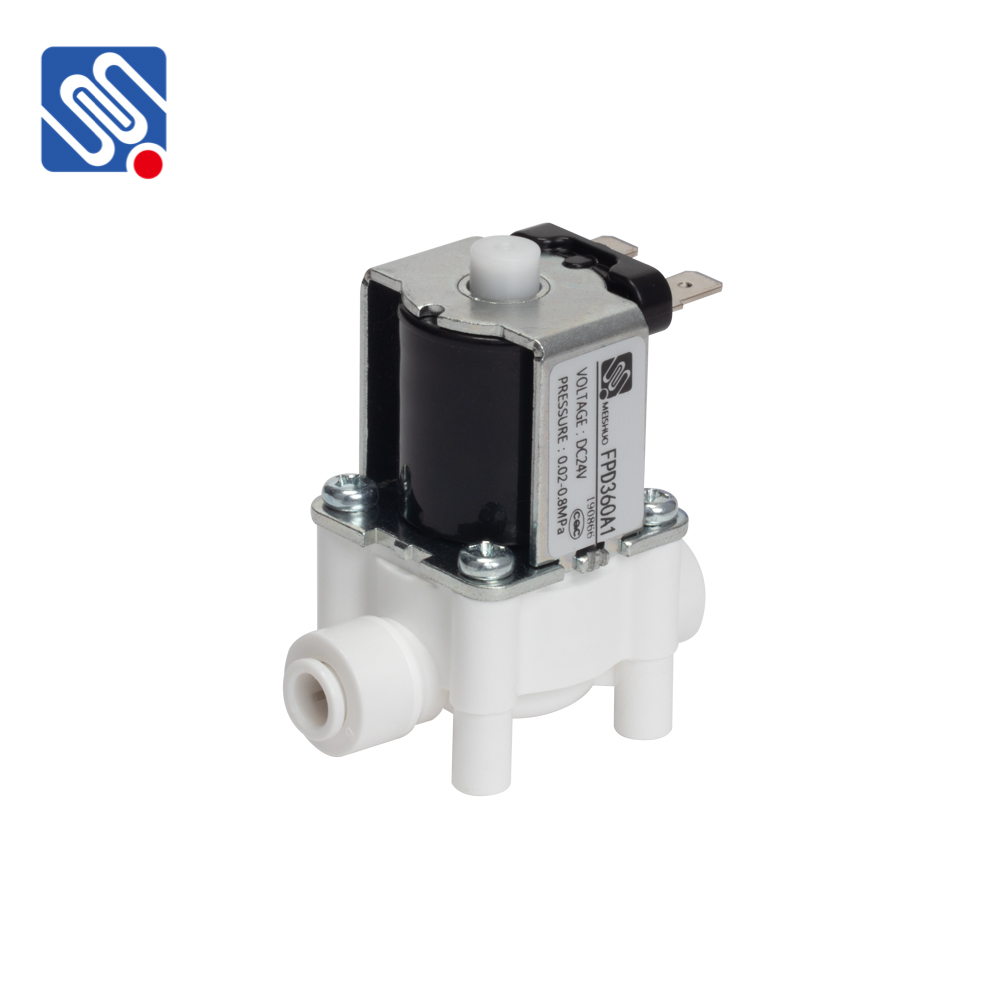
Principle of Operation A Normally Open Solenoid Valve operates on a simple yet effective mechanism. The valve consists of a solenoid coil, a movable plunger, and an orifice through which the fluid flows. When the solenoid coil is not energized, the plunger remains in a resting position that keeps the valve open. The fluid is allowed to pass through the orifice without obstruction. When electrical current flows through the solenoid coil, it generates a magnetic field that pulls the plunger towards the coil, closing the orifice and stopping the flow of fluid. Once the electrical current is turned off, the magnetic field disappears, and a spring (or other mechanical force) returns the plunger to its resting position, reopening the valve. This design ensures that the valve remains open in a fail-safe condition, making it ideal for certain applications where it is crucial to have an automatic return to the open state when power is lost.