Food Grade Solenoid Valves play a crucial role in the food and beverage industry by ensuring the precise control of liquid and gas flow in various production processes. These valves, designed specifically for food-grade applications, meet rigorous standards for hygiene and safety, ensuring that the food and beverages produced are free from contamination. In this article, we will explore the importance of food-grade solenoid valves, their key features, applications, and factors to consider when selecting them for your food processing systems.
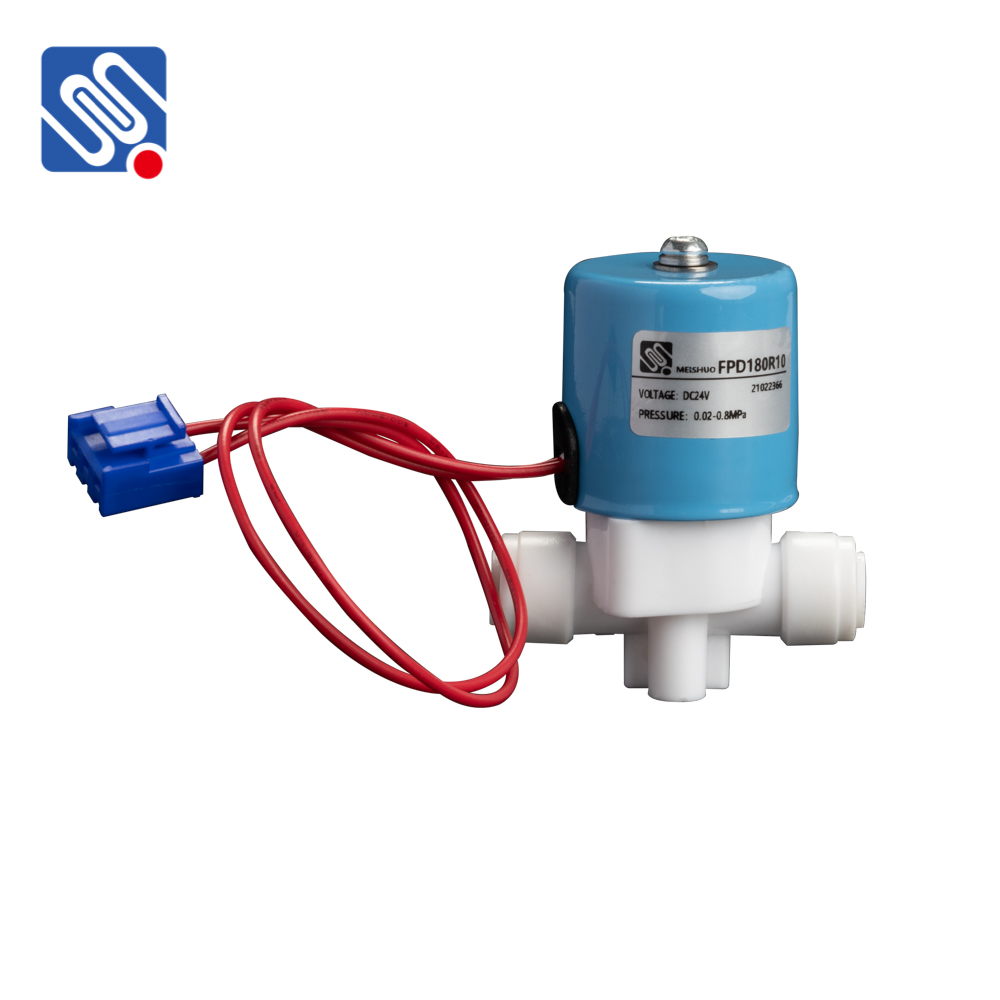
What is a Food Grade Solenoid Valve? A Food Grade Solenoid Valve is an electrically operated valve that controls the flow of liquids or gases in a system, and is designed with materials that meet food safety standards. Unlike standard solenoid valves, food-grade solenoid valves are made of materials that do not contaminate the product and are easy to clean. They are widely used in applications where cleanliness and hygiene are critical, such as in the food, beverage, and pharmaceutical industries. Key Features of Food Grade Solenoid Valves Food-Safe Materials: One of the most important aspects of food-grade solenoid valves is that they are made of materials that are safe for use in food contact applications. These materials are often non-toxic, corrosion-resistant, and FDA-approved. Common materials include stainless steel (especially 304 and 316 grades), PTFE (polytetrafluoroethylene), and other food-grade plastics. These materials help prevent contamination and ensure that the product remains safe for consumption.