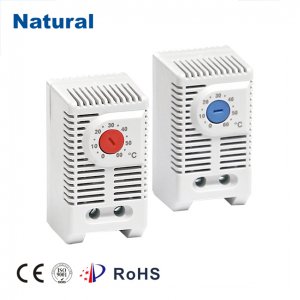
In the world of modern HVAC (Heating, Ventilation, and Air Conditioning) systems, the control panel thermostat is a crucial component that plays a pivotal role in regulating temperature and ensuring optimal comfort within residential and commercial spaces. These devices have evolved significantly from their mechanical counterparts into sophisticated digital systems that offer precise control over temperature, energy efficiency, and system performance. In this article, we’ll explore the significance of control panel thermostats, their features, and how they improve the overall functionality of HVAC systems.
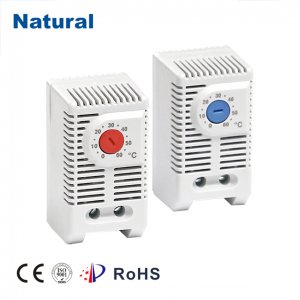
What is a Control Panel Thermostat?
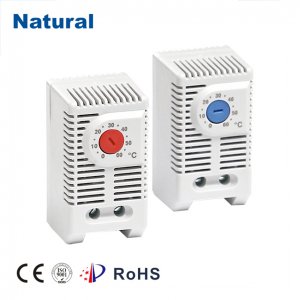
A control panel thermostat is an electronic device that controls the heating and cooling systems of a building, ensuring the desired temperature is maintained. It is typically a part of a larger control panel that interfaces with the HVAC system, giving users the ability to adjust settings such as temperature, humidity, and air quality. Modern control panel thermostats often feature digital displays, touchscreen interfaces, and programmable settings that make them more user-friendly and efficient compared to older mechanical models. The main function of a thermostat is to detect the current temperature of a room or area and compare it to the user-set temperature. If the current temperature deviates from the desired setting, the thermostat activates the heating or cooling system to restore balance. With the integration of modern technology, control panel thermostats offer enhanced capabilities like remote access, smart home compatibility, and advanced scheduling.