The Flow Control Solenoid Valve is a pivotal component in various systems that require the precise regulation of fluid flow. These valves work on the principle of electromechanics, utilizing electrical signals to adjust the flow rate of liquids or gases. This article explores the functionality, working principle, types, applications, and benefits of Flow Control Solenoid Valves, highlighting their crucial role in modern industrial and commercial systems.
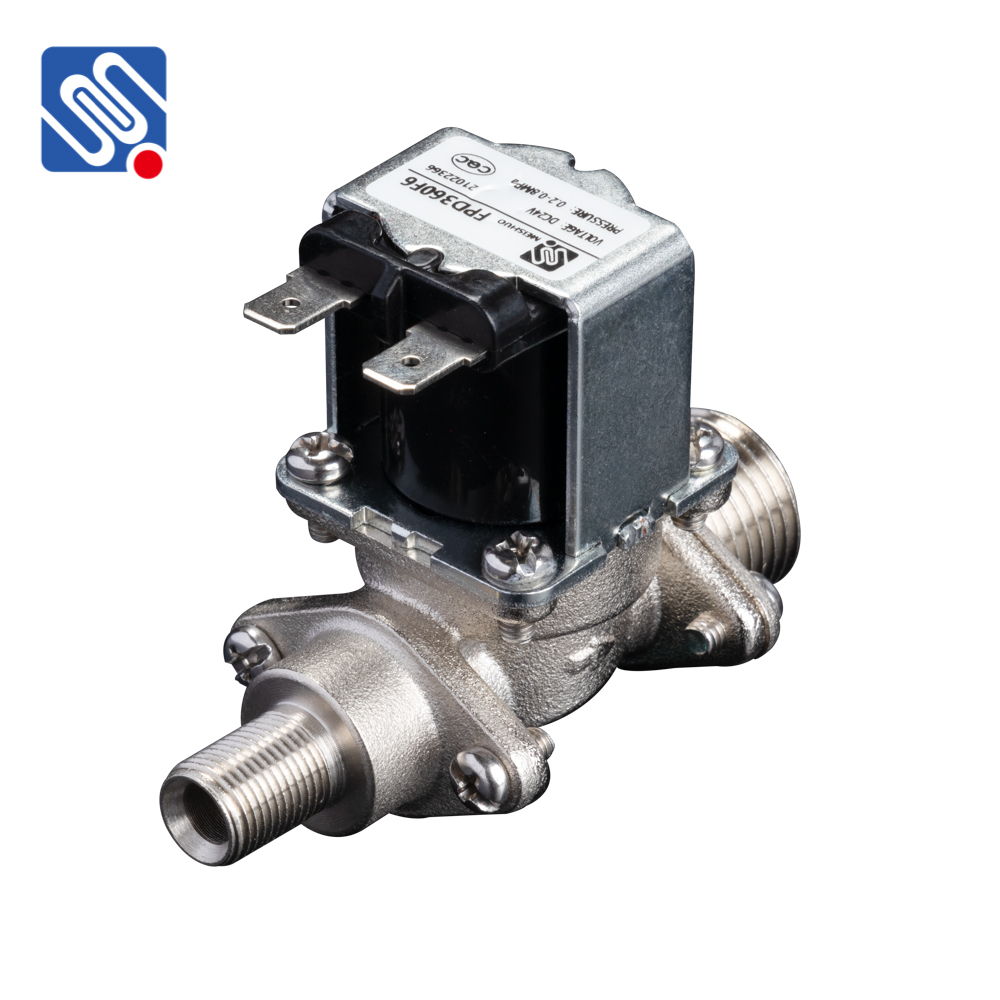
What is a Flow Control Solenoid Valve? A Flow Control Solenoid Valve is a type of valve that uses an electromagnetic field to control the movement of a valve element, which in turn adjusts the flow of fluid. This control can either be continuous or discrete, depending on the system design. The basic idea is that when an electrical signal is sent to the solenoid coil, it generates a magnetic field that either opens or closes the valve, regulating the amount of fluid passing through. This type of valve is used in systems where precise control of fluid flow is necessary, such as in hydraulic or pneumatic applications, HVAC systems, water treatment, and more.