A 24VDC Power Relay is a vital component in modern electrical and electronic systems, used to switch circuits on and off with the help of low-voltage DC signals. Relays, in general, are electromagnetic switches that allow one circuit to control another, typically a higher-power circuit. The 24VDC Power Relay, specifically, is a variant designed for 24-volt direct current control, making it a crucial part of many industrial, automotive, and residential applications. This article delves into its construction, working principle, applications, and why it is indispensable in the world of automation and control systems.
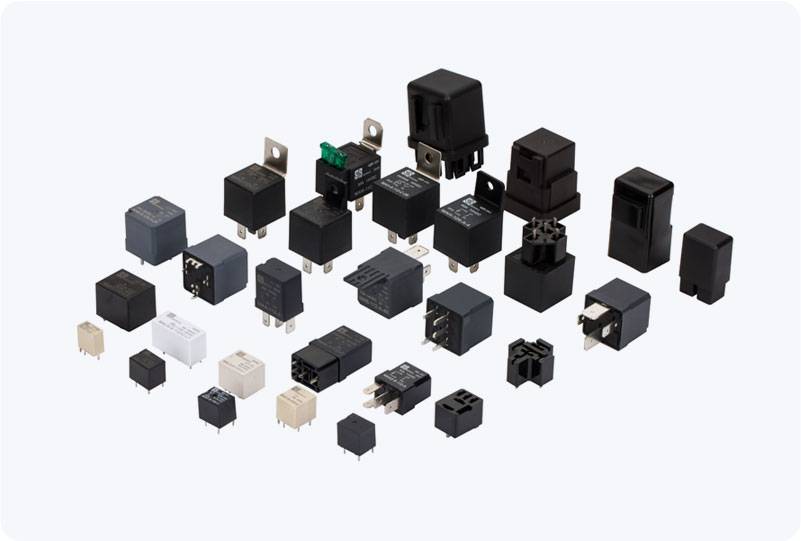
What is a 24VDC Power Relay? At its core, a 24VDC Power Relay consists of an electromagnetic coil and a set of contacts. When a 24V DC voltage is applied to the coil, it generates a magnetic field that actuates the relay’s contacts, causing them to switch between different positions. This allows the relay to either open or close the circuit, enabling control over external devices and systems. The relay typically has two main components: the coil and the contacts. The coil receives the 24V DC voltage, and when energized, it creates the magnetic field necessary to operate the switch. The contacts, which can be normally open (NO) or normally closed (NC), determine the state of the connected circuit when the relay is triggered.