Relay reliability is a critical aspect of electrical and electronic systems, ensuring that relays perform their intended functions efficiently and consistently over time. Relays, which serve as electromagnetic switches, are fundamental components in various industries such as automotive, telecommunications, energy, and automation. In order to guarantee their long-term effectiveness, it is essential to understand the factors that influence relay reliability and how to enhance it. This article explores the key elements that determine relay reliability, the challenges associated with maintaining it, and how manufacturers and engineers address these challenges.
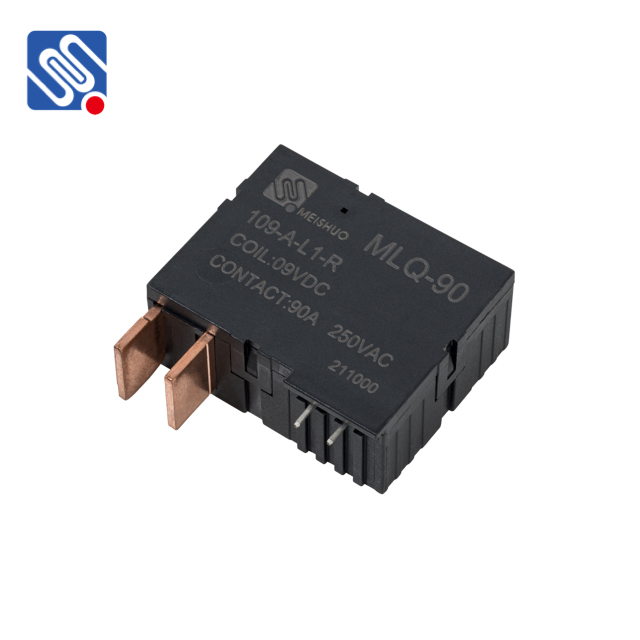
What is Relay Reliability? Relay reliability refers to the ability of a relay to consistently perform its switching tasks without failure over an expected lifespan. It encompasses the mechanical, electrical, and environmental performance of the relay, including factors such as switching capacity, contact integrity, and resistance to external conditions. A highly reliable relay ensures smooth operation in both routine and extreme conditions, providing safety and performance assurance for the devices and systems that rely on them. Mechanical and Electrical Lifespan Two of the primary indicators of relay reliability are its mechanical and electrical lifespan. The mechanical lifespan refers to the number of times a relay can operate its switch without any failure, even when no electrical load is applied. It is essentially a measure of the relay’s moving parts’ durability. The electrical lifespan, on the other hand, measures how many times the relay can switch under load without experiencing degradation or failure of the electrical contacts.