Relay loads play an essential role in various electrical and electronic systems, serving as critical components in automating control processes. These loads are associated with relays, which act as electromechanical switches that enable the control of one electrical circuit by another, ultimately allowing for the management of high-power devices with low-power signals. In this article, we will explore the concept of relay loads in detail, covering how they work, their importance, typical applications, and best practices for implementation.
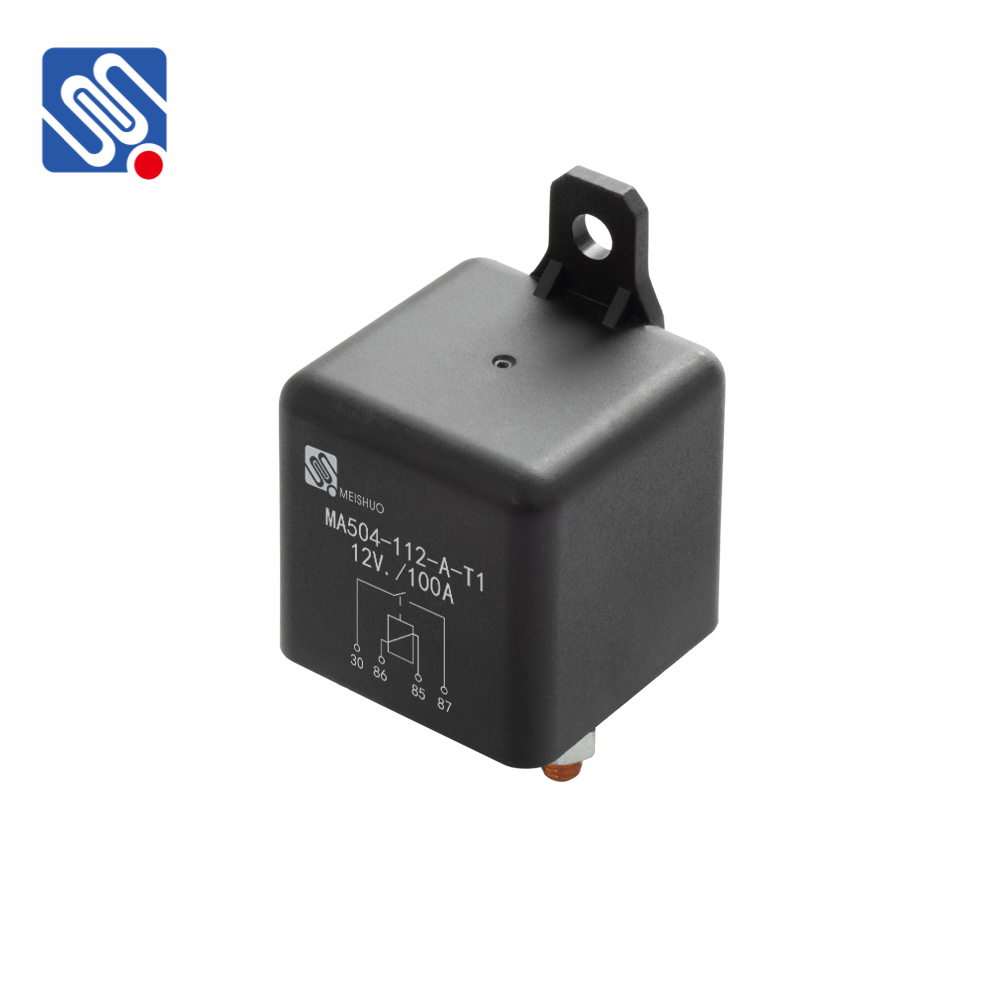
What is a Relay Load? At its core, a relay is an electromagnetic switch that uses a small current to control a larger current. A relay consists of a coil, which, when energized, generates a magnetic field that moves an armature, thereby closing or opening contacts within the relay. This action allows the relay to control the flow of electricity to a connected load — termed the relay load.
Relay loads can vary significantly in nature. They can be resistive loads, such as incandescent bulbs and heating elements; inductive loads, such as motors and transformers; or capacitive loads, such as capacitors. Each type of load has distinct electrical characteristics that must be considered when selecting a relay for a specific application.