Relay current plays a crucial role in modern electrical and electronic systems, serving as a bridge between low-power control circuits and high-power devices. A relay is essentially an electrically operated switch that uses an electromagnetic coil to mechanically operate one or more sets of contacts. Understanding the concept of relay current is essential for designing reliable circuits and ensuring the safe operation of various devices.
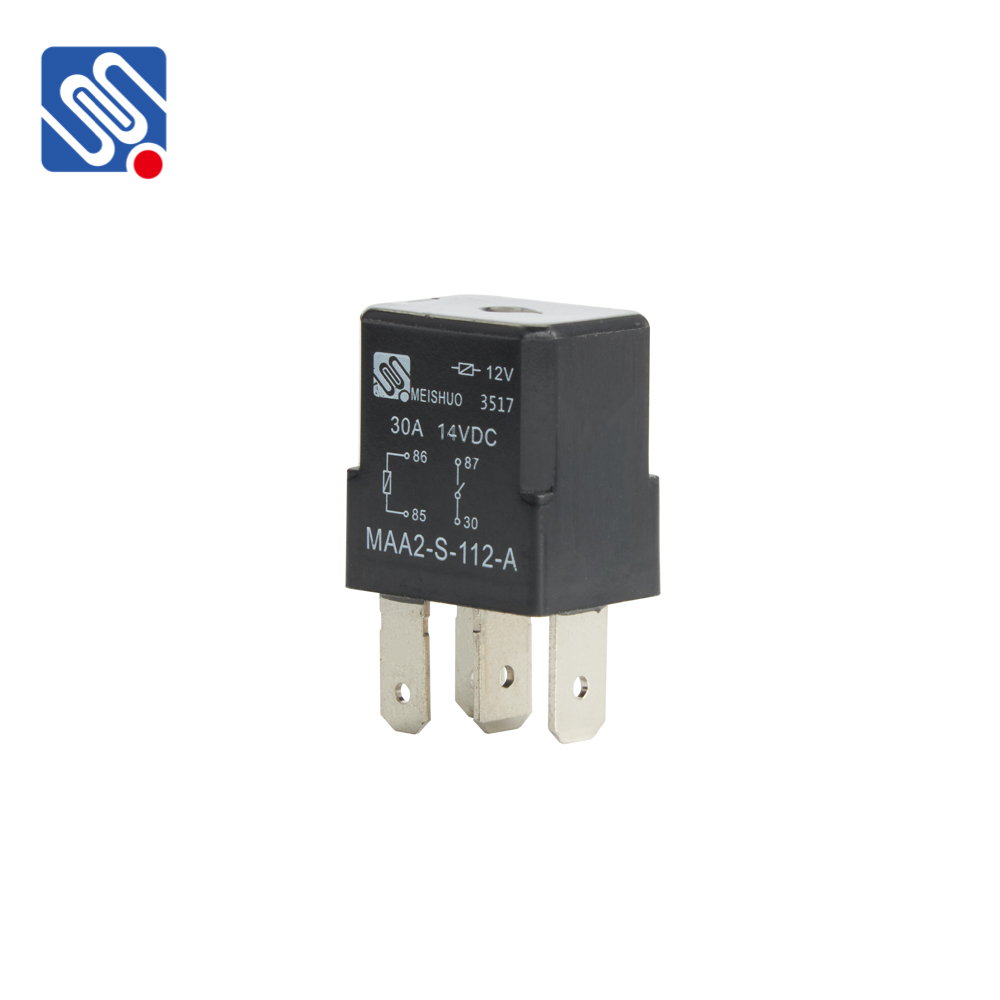
At its core, relay current can be divided into two primary types: coil current and contact current. Coil current refers to the current that flows through the relay’s electromagnetic coil. When the coil is energized, it generates a magnetic field, which in turn moves the relay’s internal armature to open or close its contacts. The magnitude of the coil current depends on the coil’s resistance and the applied voltage, and it is typically specified by the manufacturer to ensure proper operation. Too little current may prevent the relay from actuating, while excessive current can overheat or damage the coil.