Relays are essential components in electrical circuits that act as switches, controlled by electrical signals to manage the flow of current in a circuit. These components play a critical role in automating processes, protecting systems, and ensuring efficient power distribution. In this article, we will explore the function, types, and applications of relay components in various electrical systems.
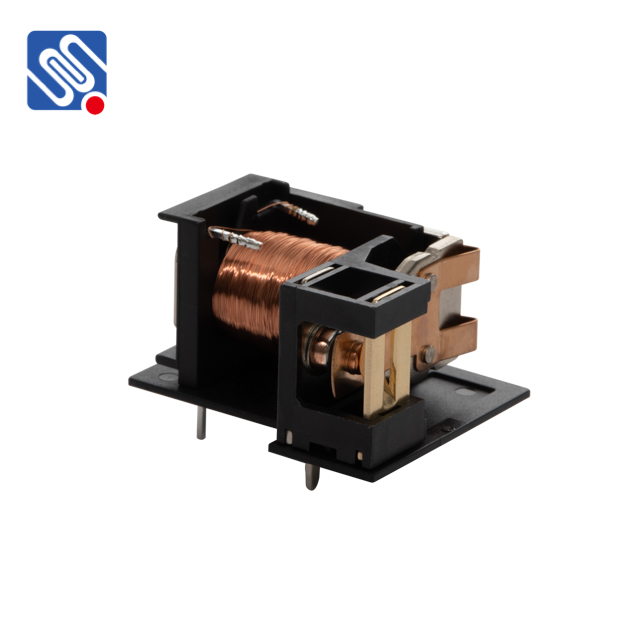
What Are Relay Components? A relay is an electromechanical switch that opens and closes its contacts in response to an electrical signal. It uses an electromagnet to control the switching mechanism. When current flows through the coil of the relay, it creates a magnetic field that attracts or repels a movable armature, opening or closing the contacts of the relay. This allows a low-power signal to control a high-power circuit, providing isolation between the control and the load circuit. The core function of a relay is to control the flow of current, but it also offers isolation between different parts of a system. This isolation protects sensitive control circuits from the high voltages or currents found in the load circuits. Relays can be found in a wide range of applications, from simple on-off switches to complex systems involving timed delays, overcurrent protection, or voltage control.