Explosion-proof relays are critical components in electrical systems used in hazardous environments where flammable gases, vapors, or dust are present. Designed to prevent the occurrence of sparks, arcs, or excessive heat that could trigger explosions, explosion-proof relays are essential for ensuring the safety and reliability of electrical systems in industries such as oil and gas, chemical processing, mining, and pharmaceuticals. This article explores the concept, features, applications, and selection criteria for explosion-proof relays.
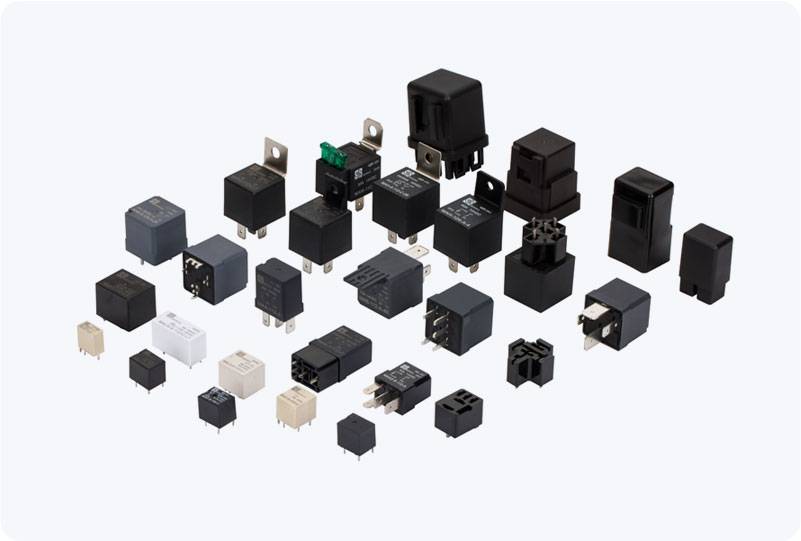
What is an Explosion-Proof Relay? An explosion-proof relay is an electrical relay designed to operate safely in potentially explosive atmospheres. These relays are specifically engineered to withstand internal electrical faults, such as short circuits or overloads, without igniting hazardous substances in the surrounding environment. The primary purpose of an explosion-proof relay is to isolate and protect the electrical system from initiating an explosion when interacting with flammable or combustible materials. Unlike standard relays, which may produce sparks or excessive heat during operation, explosion-proof relays are built with a robust outer casing that contains any potential sparks or internal faults. This casing prevents any ignition from reaching the external environment. To meet safety standards, these relays must undergo rigorous testing and certification processes, ensuring they are suitable for use in dangerous environments.