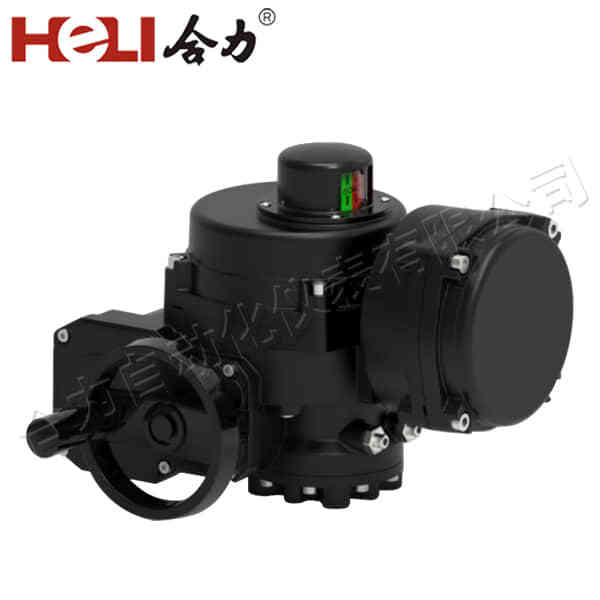
Electric actuators play a pivotal role in the realm of automation and control. These devices convert electrical energy into mechanical motion, allowing for the precise control of various systems and processes across multiple industries. As technology continues to evolve, electric actuators are becoming increasingly popular due to their efficiency, reliability, and ease of integration compared to traditional pneumatic or hydraulic actuators. In this article, we delve into the fundamentals of electric actuators, their key components, advantages, applications, and future trends.
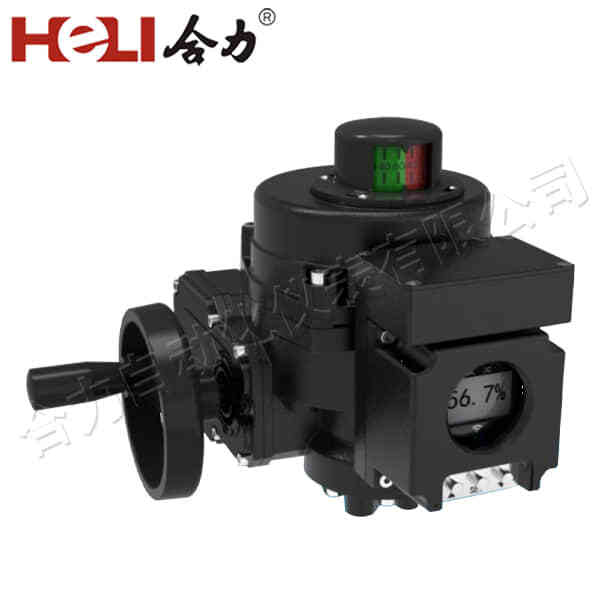
What is an Electric Actuator?
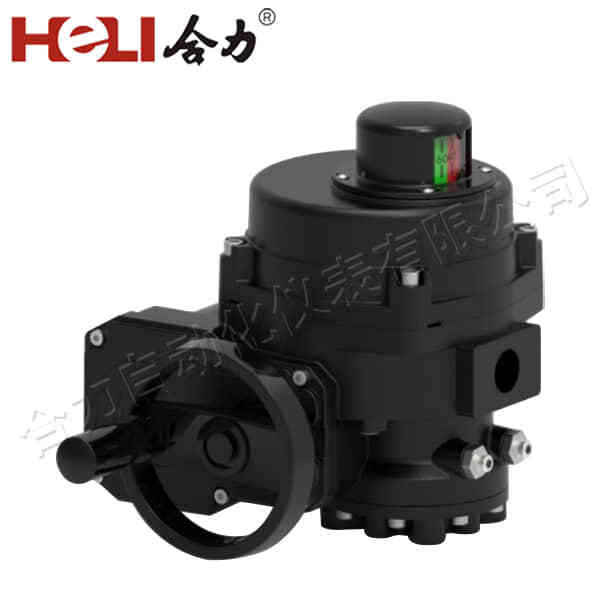
An electric actuator is a type of actuator that uses electrical energy to produce motion. It typically consists of several key components: an electric motor, a gear system, a feedback sensor, and a control system. The electric motor provides the necessary force, which is then converted into motion via the gear system. Feedback sensors such as potentiometers or encoders allow for precise control and monitoring of the actuator’s position, speed, and torque. Key Advantages Electric actuators offer a range of advantages over traditional actuators. One significant benefit is their energy efficiency. They can be powered directly by electricity, eliminating the need for compressed air or hydraulic fluids, which not only reduces energy consumption but also minimizes environmental impact. Furthermore, electric actuators are easier to maintain, with fewer moving parts and less potential for leaks compared to pneumatic or hydraulic alternatives.