In the ever-evolving landscape of electric vehicles (EVs), fast and efficient charging solutions are becoming increasingly important. One such solution is the DC charging station, which provides high-speed charging through direct current (DC) power. At the heart of these systems is the DC Charging Station Relay, a crucial component that ensures safe, reliable, and efficient operation. This article will delve into the role of the DC charging station relay, its functionalities, and why it is an indispensable part of modern EV charging infrastructure.
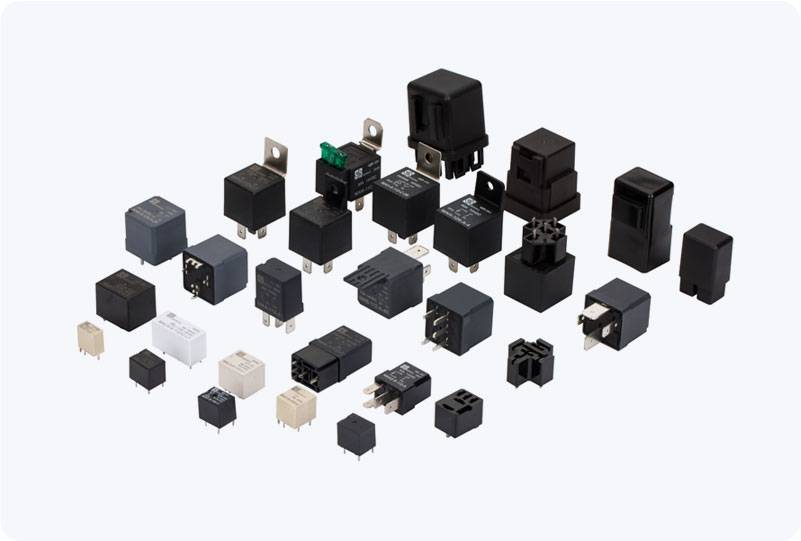
What is a DC Charging Station Relay? A DC Charging Station Relay is an electromechanical device used to control the flow of electricity within a DC fast charging station. It works by opening and closing electrical circuits, allowing for the safe transmission of high-voltage DC power from the charging station to the electric vehicle (EV). The relay is activated by a low-power signal, typically from the station’s control system, to enable or disconnect the power supply as needed. How Does It Work? The DC Charging Station Relay operates on basic principles of electromagnetism. When the control system sends a small electrical current to the relay’s coil, it generates a magnetic field that causes the relay’s switch to close or open. In the “closed” position, the circuit is complete, allowing DC power to flow from the charger to the EV’s battery. When the system detects any irregularities, such as overcurrent, overvoltage, or a fault, the relay is triggered to open the circuit and stop the power flow, preventing damage or safety hazards.