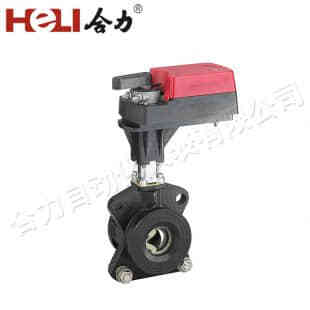
A Damper Actuator is a vital device that plays a critical role in managing airflow in various systems, including HVAC (Heating, Ventilation, and Air Conditioning), industrial settings, and building automation. It is primarily responsible for controlling the operation of dampers, which are valves that regulate the flow of air or gases through ducts, vents, or pipes. By adjusting the damper’s position, the actuator ensures the correct airflow, temperature, or pressure within a system. This article explores the function, types, and applications of damper actuators in modern systems.
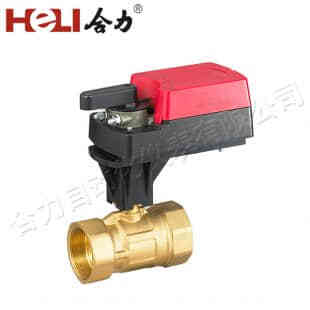
What is a Damper Actuator?
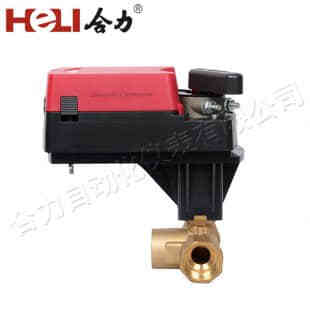
A damper actuator is an electromechanical or pneumatic device that adjusts the position of a damper within a system. The damper is essentially a movable plate or blade inside a duct or vent that opens or closes to regulate airflow. The actuator controls this movement based on a set of inputs, such as temperature or pressure sensors, or external control signals. In simple terms, it’s the “muscle” that moves the damper in response to the “brain,” which processes control signals from a thermostat or other monitoring systems. Types of Damper Actuators Electric Damper Actuators: Electric actuators are the most commonly used in modern HVAC systems. They rely on electric motors to move the damper blades. These actuators typically receive control signals in the form of 4-20 mA current or 0-10V signals, depending on the system’s design. Electric actuators are popular for their precision, reliability, and ease of integration into digital control systems, which makes them ideal for complex automated systems.