In every industrial or manufacturing environment, safety is a top priority. One of the key components in maintaining a safe working environment is ensuring that hazardous machinery or equipment is properly locked out when not in use. This is where the Safety Padlock plays a vital role. Safety padlocks are designed to secure equipment and machinery, preventing unauthorized access and ensuring that workers are protected from potential harm. In this article, we will explore the importance of safety padlocks, their features, and how they contribute to a safer workplace.
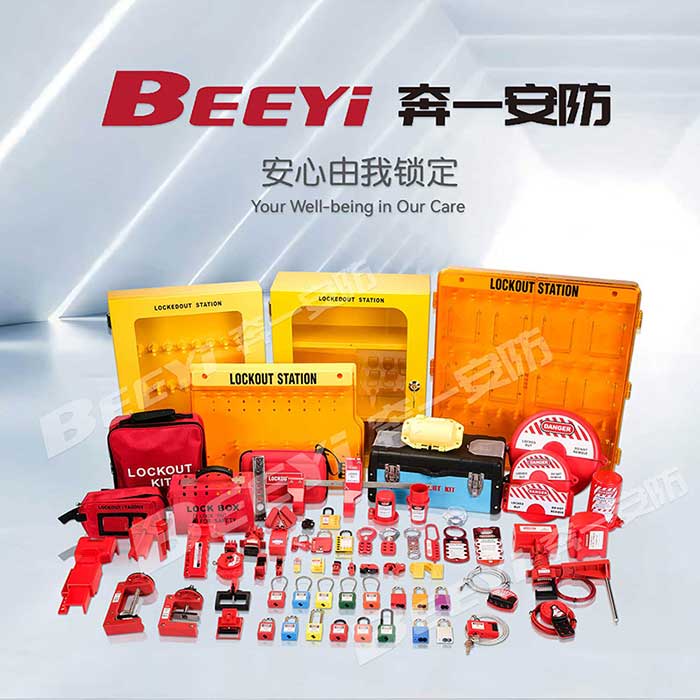
What is a Safety Padlock? A Safety Padlock is a specialized lock used to lock out equipment, machinery, or power sources to prevent accidental activation. These padlocks are commonly used in workplaces that follow Lockout/Tagout (LOTO) procedures. LOTO is a safety protocol designed to protect workers from the accidental release of hazardous energy during maintenance or servicing of machinery. By using safety padlocks, employers ensure that equipment remains securely locked until authorized personnel are ready to handle it. Key Features of a Safety Padlock Durability and Strength: Safety padlocks are made from robust materials such as nylon, steel, or aluminum. They are built to withstand harsh industrial environments, including exposure to chemicals, extreme temperatures, and physical wear. This durability ensures that the padlocks can remain intact throughout the duration of the lockout period.