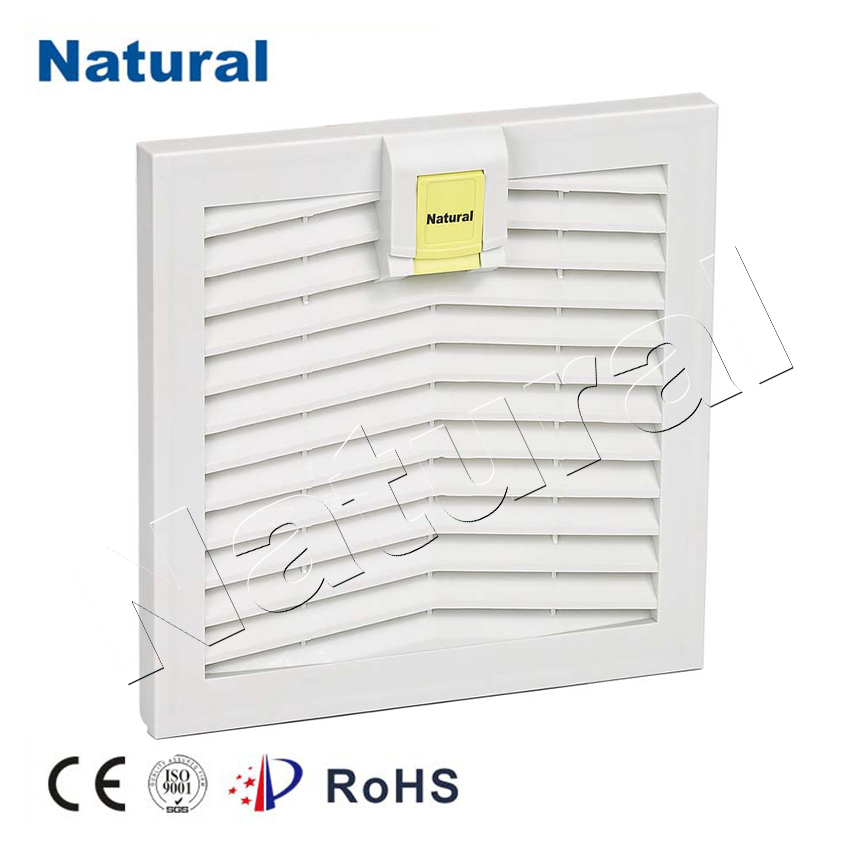
In modern industries, electronics, and even in residential settings, the importance of clean and efficient airflow cannot be overstated. A well-functioning ventilation system is essential for maintaining air quality, cooling components, and ensuring operational efficiency. However, even the best ventilation systems can be compromised by dust, dirt, and other contaminants, which is where fan filters come into play. These small but crucial components serve as protectors, helping to ensure that the air entering a system is as clean as possible while also maintaining the system’s performance. This article delves into the significance of fan filters, their types, and their role in various applications.
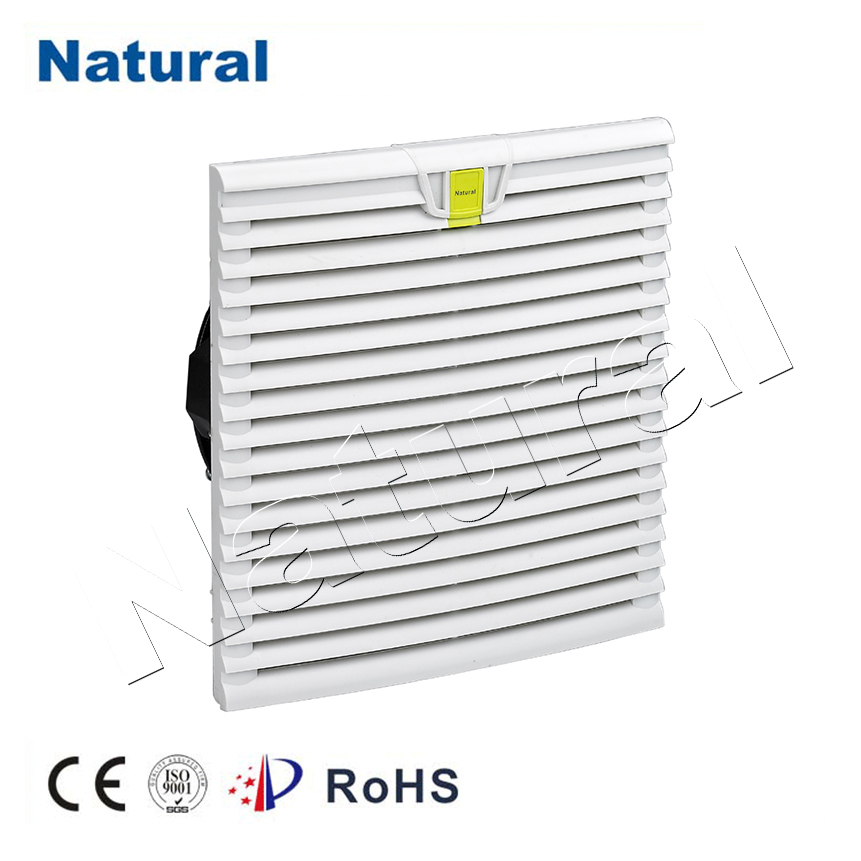
What are Fan Filters?
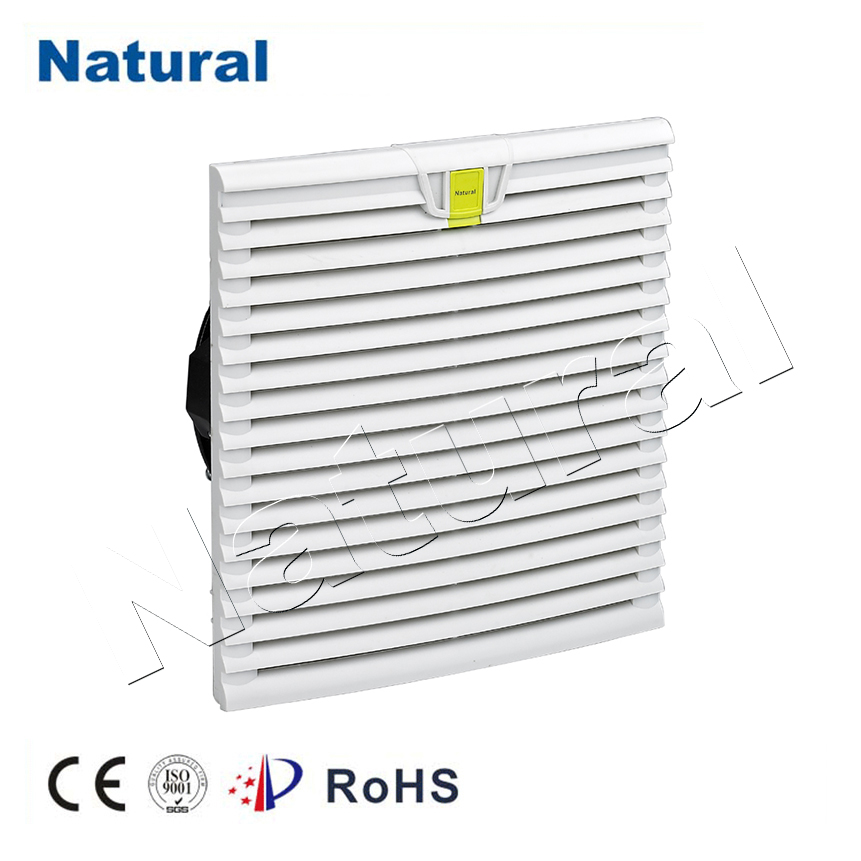
Fan filters are devices designed to protect ventilation systems, cooling fans, and other machinery from airborne particles that could impede their performance or cause damage over time. Typically placed over the fan or intake vents of electronic devices or machinery, they allow for the efficient flow of air while filtering out dust, dirt, and other particles. Depending on the application, fan filters can vary in terms of size, material, and efficiency, but their main purpose remains the same: to ensure the system operates without contamination. The Role of Fan Filters in Electronics Electronics, especially sensitive and high-performance devices like computers, servers, and medical equipment, require a clean environment to operate efficiently. These devices generate heat during operation, and cooling is essential to prevent overheating. The cooling process typically involves fans that pull in air to circulate through the components. However, without a fan filter, this incoming air could carry dust, dirt, and other particulates that can clog vents, accumulate on sensitive parts, or even cause short circuits.