In any workplace that deals with high-risk machinery or hazardous environments, ensuring the safety of workers is of paramount importance. One of the most effective ways to prevent workplace accidents, especially during maintenance and repair activities, is through the implementation of a Safety Padlock Application. This system is an integral part of the Lockout/Tagout (LOTO) process, designed to prevent the accidental release of hazardous energy while machines or equipment are being serviced.
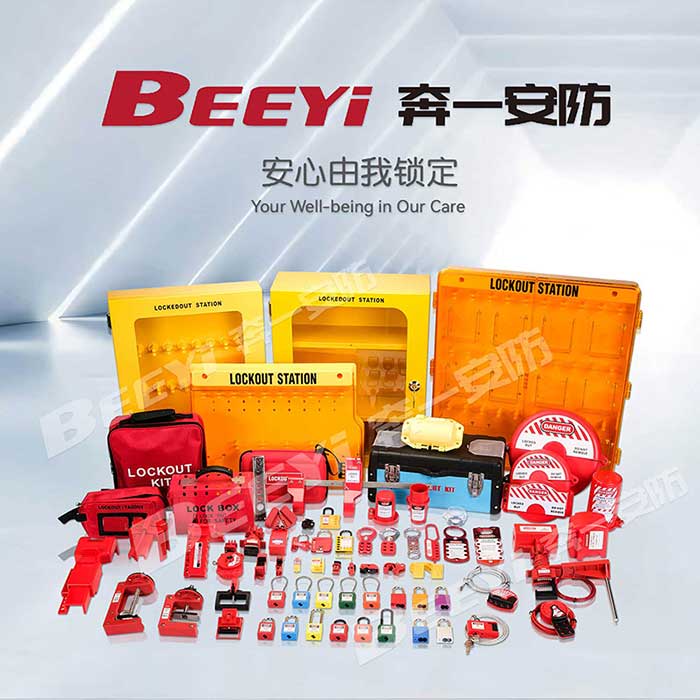
The Importance of Lockout/Tagout Procedures Lockout/Tagout (LOTO) procedures are implemented to protect workers from the unexpected startup or release of energy during maintenance or repair tasks. These procedures require the use of locks, tags, or both to isolate energy sources and prevent machines from being operated while under maintenance. Safety padlocks play a crucial role in this process by physically locking off equipment or machinery, ensuring that it cannot be operated until maintenance is complete. Accidents and injuries caused by the sudden release of energy, such as electrical shock, hydraulic pressure, or even mechanical movements, can be life-threatening. The introduction of safety padlocks into the LOTO procedure significantly reduces these risks and ensures that workers are protected from harm during high-risk tasks.