Relay troubleshooting is an essential skill for anyone involved in electrical work, from technicians to engineers. A relay is an electromechanical device that uses an electromagnetic coil to open or close contacts in a circuit, enabling control of high voltage or current devices with a low voltage signal. While relays are reliable components in various applications, they can experience issues that lead to malfunction. This article will provide a detailed guide to troubleshooting relays, helping you identify and resolve common problems effectively.
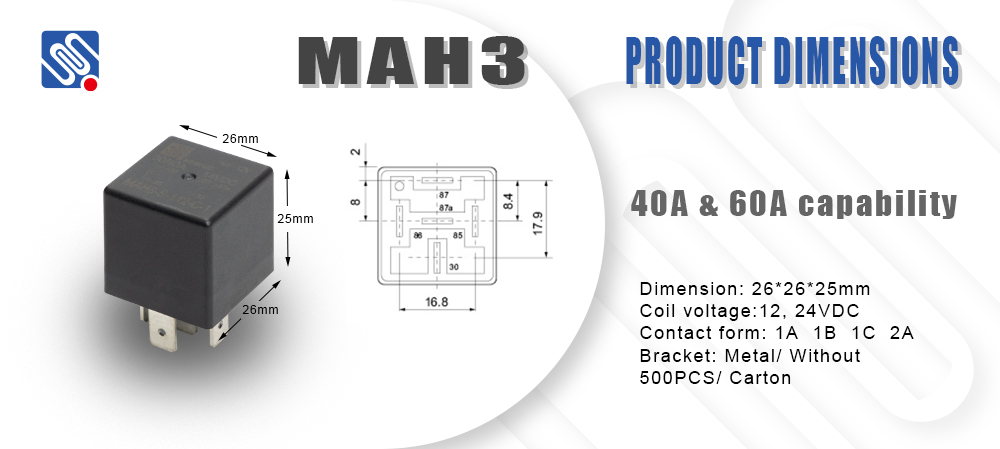
Understanding Relay Components Before diving into troubleshooting, it’s crucial to understand the basic components of a relay. A standard relay includes: Coil: The electromagnetic component that generates a magnetic field when current passes through it. Armature: A movable plunger that is attracted by the magnetic field, opening or closing the contacts. Contacts: Points of connection that either allow or interrupt the flow of electricity. Spring: Returns the armature to its original position when the coil is de-energized. Each of these components plays a vital role in the relay’s operation, and a failure in any of these parts can lead to malfunctions.