A Precharge Relay is an essential component in power electronics, widely used in various power systems such as electric vehicles (EVs), inverters, UPS (uninterruptible power supplies), and industrial equipment. Its primary function is to protect electrical circuits from the damaging effects of inrush current when charging capacitors. In this article, we will explore the working principle of a precharge relay, its applications, and why it is crucial in modern power systems.
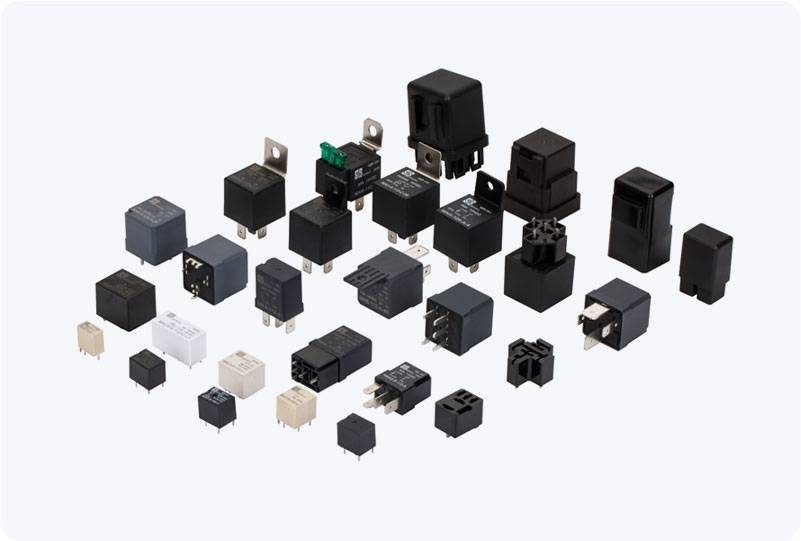
Understanding the Precharge Relay In power systems, particularly in high-voltage systems and power electronics, capacitors are commonly used to store energy and regulate voltage. However, when the circuit is powered on, the capacitors may initially have a very low voltage relative to the source voltage. If the system connects the full voltage directly to the capacitor without any protection, the resulting current surge, known as inrush current, can be extremely high and damaging. This can result in blown fuses, burned components, or even irreversible damage to the power system. A precharge relay addresses this issue by temporarily limiting the inrush current when the system is first powered on. It gradually charges the capacitors with a low current until they reach a voltage level that is safe for the full power supply. Once the voltage levels are balanced, the relay switches on the main power circuit, allowing the system to operate at full capacity. This staged power-on process significantly reduces the stress placed on sensitive components, ensuring the longevity and reliability of the equipment.