An Overload Protection Relay (OPR) is a vital component in electrical systems, designed to prevent damage caused by overcurrent conditions. This simple yet crucial device plays an essential role in safeguarding electrical circuits and equipment from harm, particularly in industrial and commercial settings where electrical devices like motors, transformers, and cables are highly susceptible to overload. This article will explore the importance, functionality, types, and applications of overload protection relays, shedding light on their role in maintaining the safety and efficiency of electrical systems.
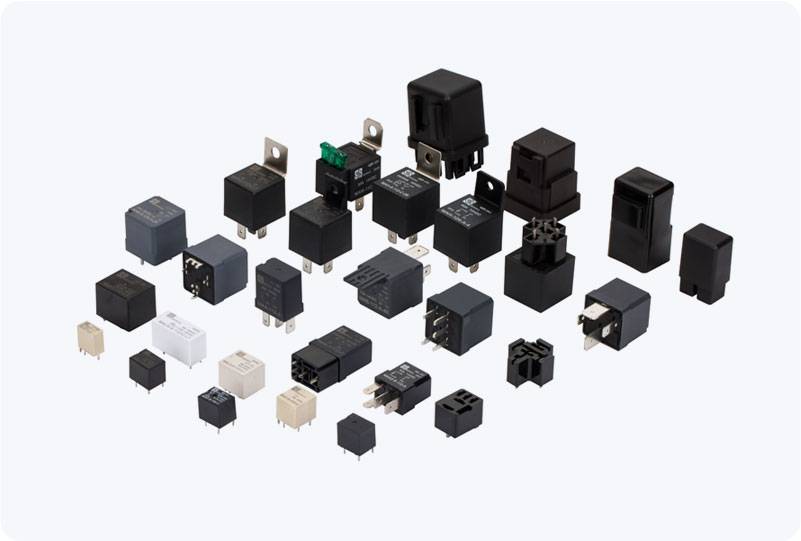
What is an Overload Protection Relay? An overload protection relay is an automatic device used to detect and protect electrical circuits from excessive current. When the current flowing through a circuit exceeds a set threshold for a specified period, the relay activates and disconnects the circuit, thereby preventing overheating and potential damage to the system. The device is often employed in conjunction with electrical appliances like motors, transformers, and other high-power equipment where the risk of overloading is significant. How Does it Work? The main function of an overload protection relay is to monitor the current flowing through a circuit. The relay is set to recognize an overload condition based on either the magnitude or duration of the current. If the current surpasses the predetermined limit, the relay will trigger an action, typically by opening a contact and cutting off the power supply. This action ensures that the equipment does not continue to operate under excessive stress, reducing the risk of equipment failure, fire, or permanent damage.