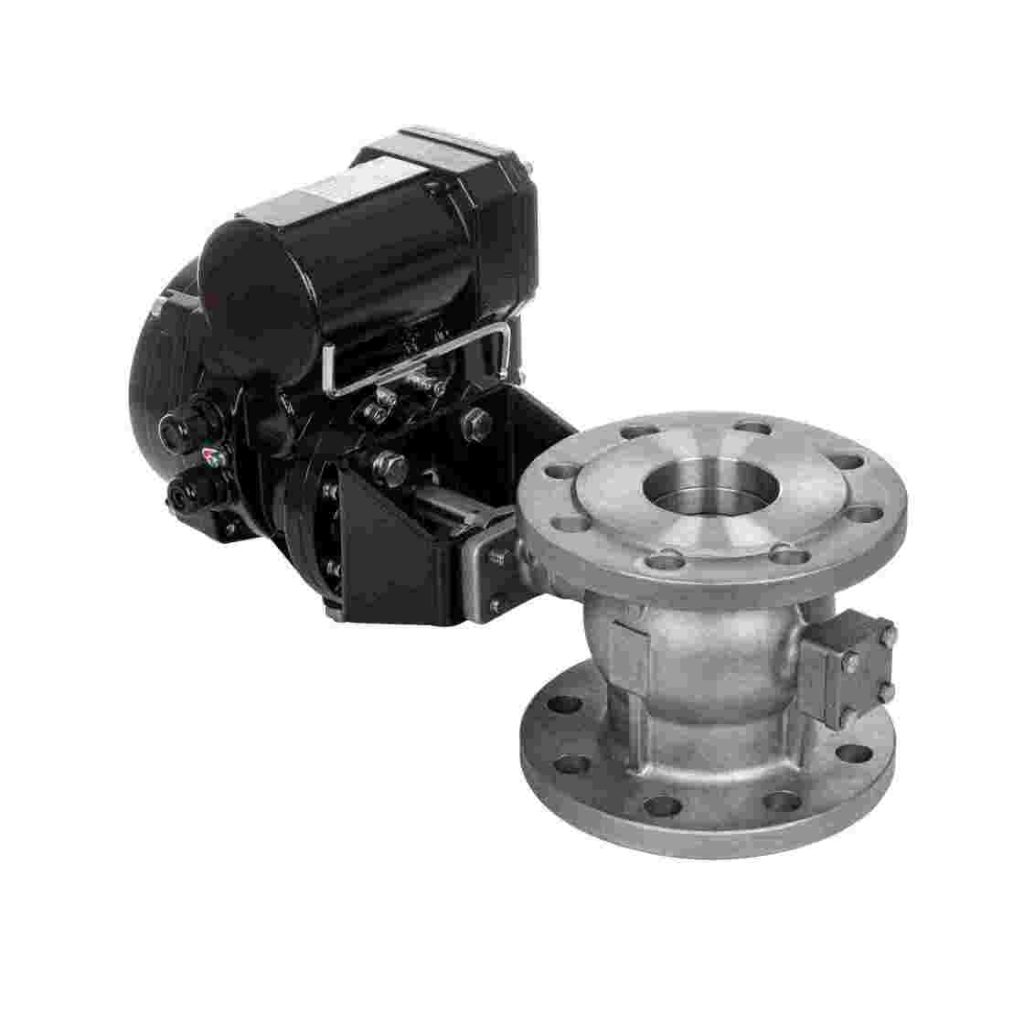
Electric stainless steel ball valves are integral components in many industries where automated, precise control of fluid flow is crucial. Combining the durability and corrosion resistance of stainless steel with the convenience of electric actuation, these valves offer a reliable solution for a variety of applications. This article explores the functionality, features, and applications of electric stainless steel ball valves, highlighting their importance in modern industrial systems.
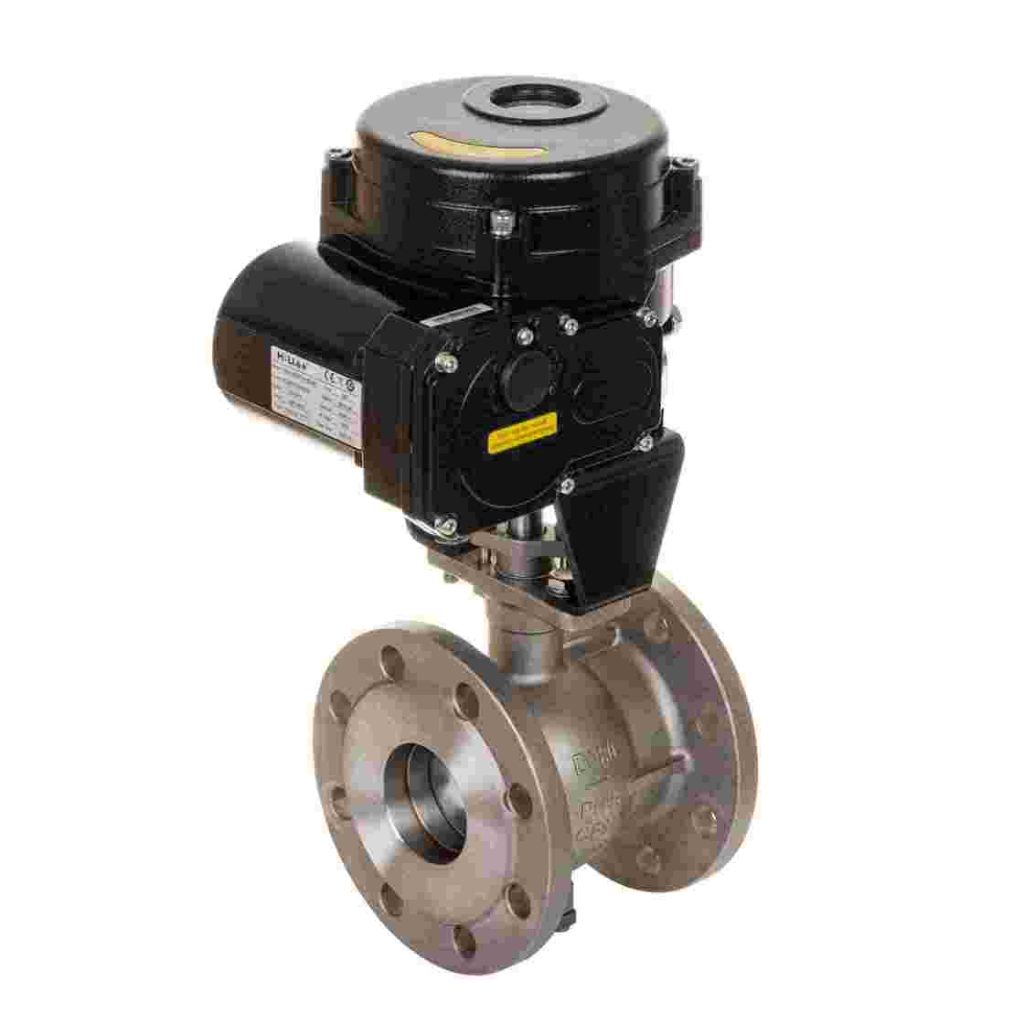
Introduction to Electric Stainless Steel Ball Valves
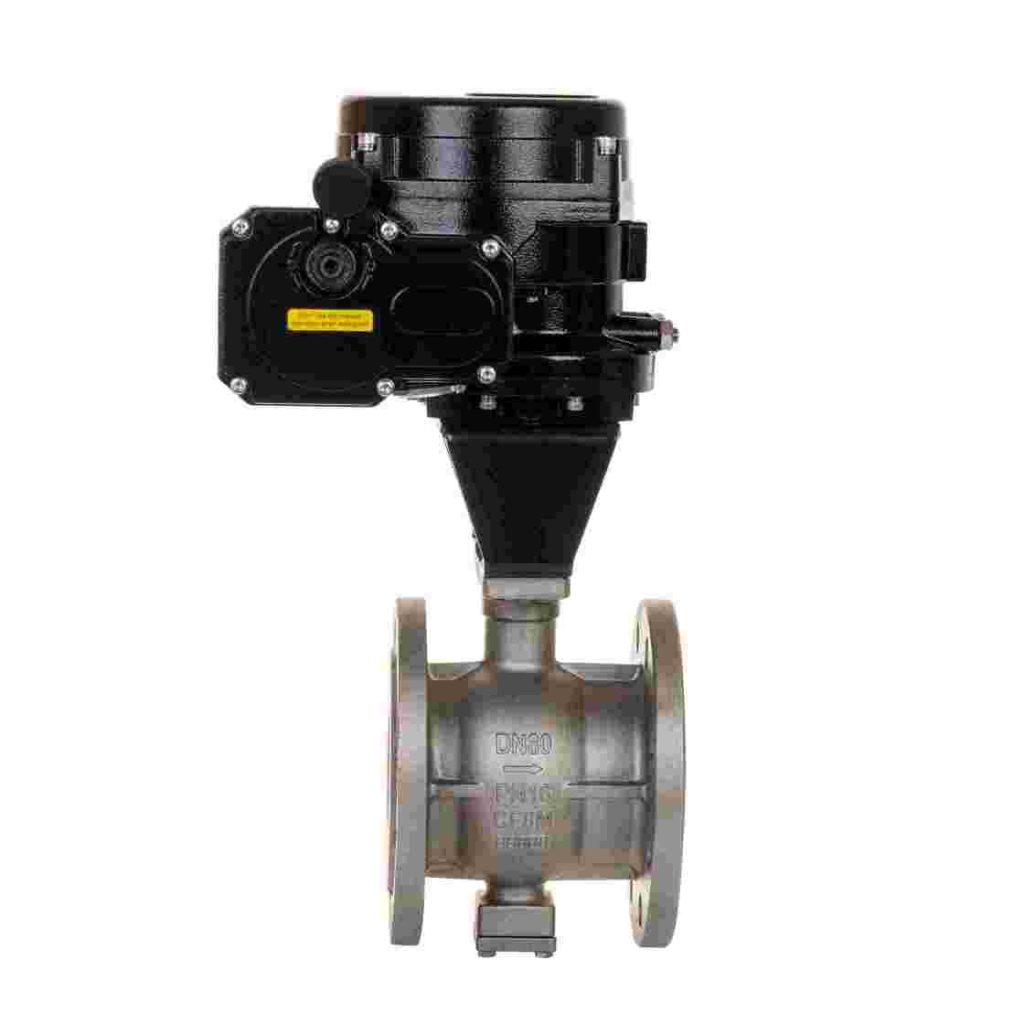
At the heart of fluid control systems, the electric stainless steel ball valve operates as a versatile mechanism to regulate the flow of liquids or gases. The core of the valve is the ball, a spherical element with a hole drilled through its center, which rotates to open or close the flow path. What sets electric stainless steel ball valves apart is their ability to be operated remotely through an electric actuator, offering a higher level of automation and control compared to manual valves. Stainless steel, a material known for its strength, corrosion resistance, and longevity, is often used for both the valve body and the ball itself. This makes the electric stainless steel ball valve ideal for harsh environments, including those exposed to chemicals, high temperatures, or abrasive materials. The electric actuator adds a layer of convenience by allowing remote operation via a control system, making the valve suitable for automated industrial applications.