In today’s rapidly advancing world of smart technology, wireless communication protocols like Zigbee are becoming essential components of modern automation systems. The Zigbee Relay Module is one such crucial device that enhances the functionality of home automation systems, industrial applications, and energy management solutions. Combining the flexibility of Zigbee wireless technology with the control capabilities of a relay, this module provides seamless connectivity and remote control of electrical devices.
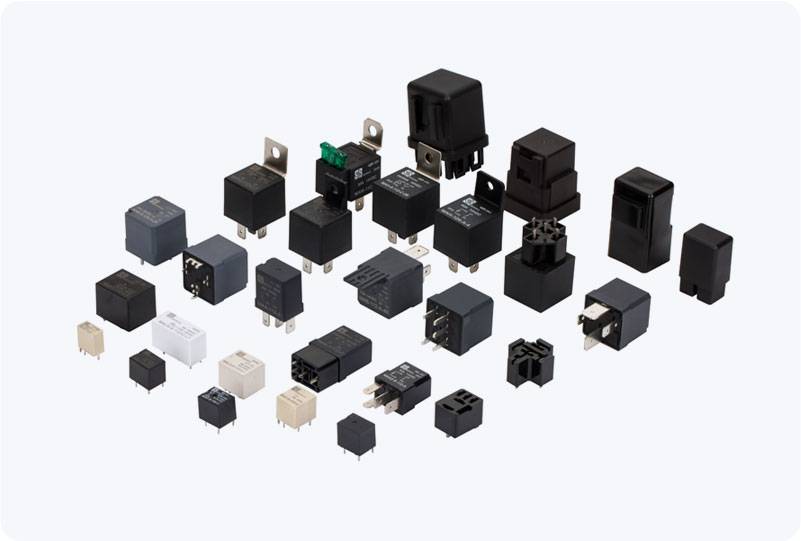
What is Zigbee? Zigbee is a low-power, low-data-rate wireless communication protocol that operates on the IEEE 802.15.4 standard. It is specifically designed for short-range communication between devices in mesh networks, making it perfect for applications that require low power consumption and reliability. Zigbee operates at frequencies of 2.4 GHz (most common) as well as 868 MHz and 915 MHz in certain regions. This flexibility allows Zigbee to be used in a variety of applications, ranging from home automation to industrial control systems. Introduction to Zigbee Relay Module A Zigbee Relay Module integrates Zigbee’s wireless communication capabilities with a relay switch, enabling users to control electrical devices remotely via Zigbee-enabled controllers or gateways. It works by receiving commands over the Zigbee network, and in response, it toggles the state of a relay (either open or closed), thereby controlling the connected devices such as lights, fans, or home appliances.