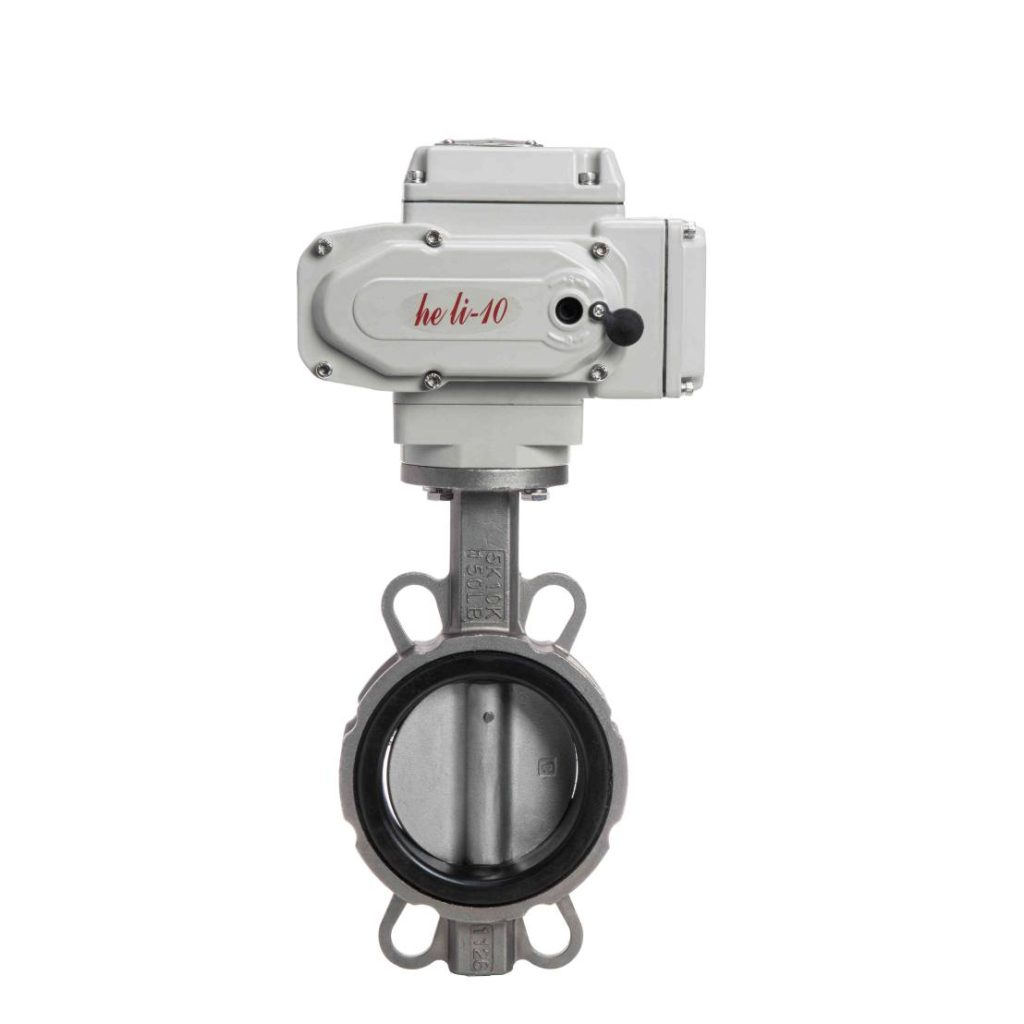
In the world of fluid control systems, valves play a crucial role in regulating the flow of liquids and gases. Among the various types of valves available, the Electric Clamp Butterfly Valve stands out due to its unique design and extensive applications. This article aims to provide an in-depth understanding of the Electric Clamp Butterfly Valve, covering its structure, working principle, advantages, applications, and considerations for selection.
Structure and Working Principle
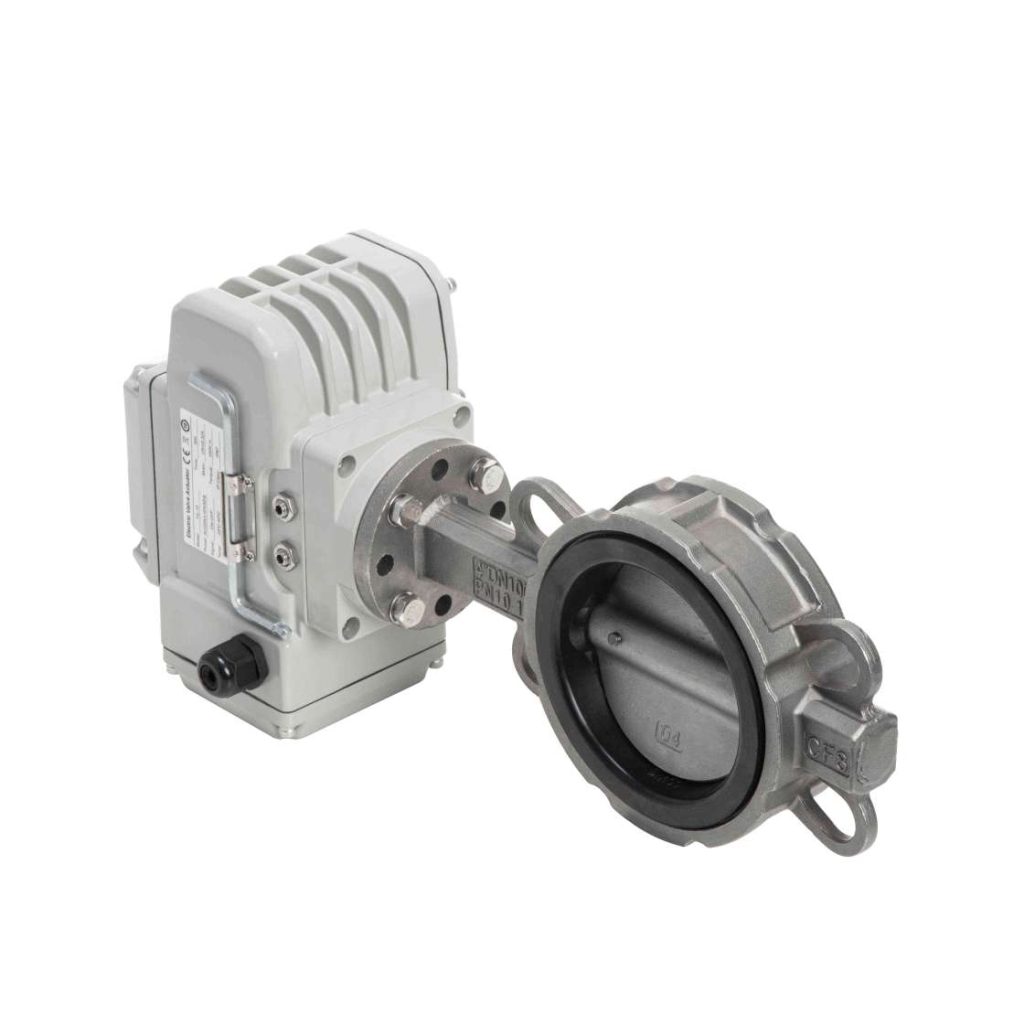
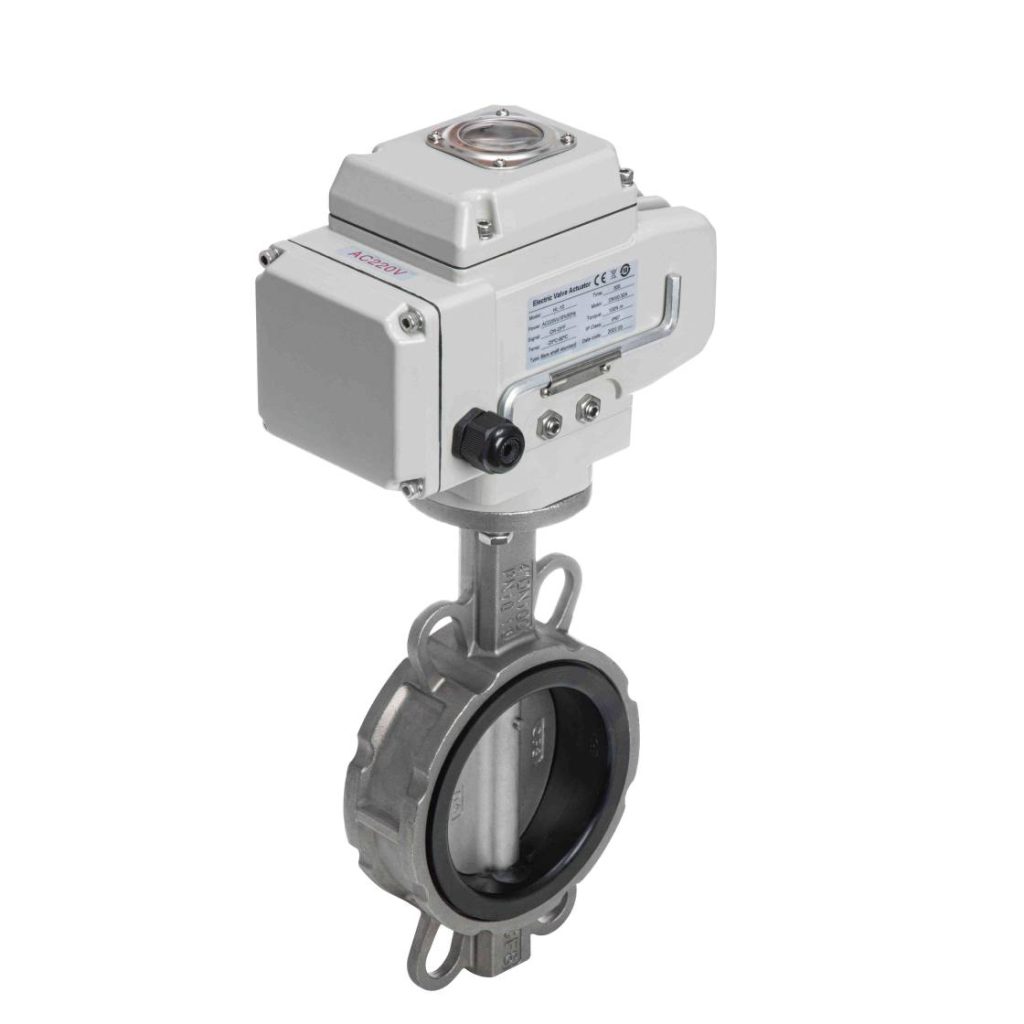
The Electric Clamp Butterfly Valve consists of several key components: the valve body, butterfly disc, valve stem, and electric actuator. The overall design is relatively compact, making it suitable for space-constrained environments. Valve Body: Typically made from durable materials like cast iron or stainless steel, the valve body is designed to withstand various environmental conditions. The body contains a circular opening for fluid passage and houses the butterfly disc. Butterfly Disc: The butterfly disc is a thin, circular plate mounted on a shaft or valve stem. Its position determines whether the valve is open or closed. When the disc is parallel to the flow, the valve is open, allowing fluid to pass through. Conversely, when the disc is rotated to a perpendicular position, it blocks the flow.