Overload relays play a crucial role in safeguarding electric motors and other electrical equipment from damage caused by excessive current flow. In this article, we will delve into the functions, types, and benefits of overload relays, explaining why they are an indispensable component in electrical control systems.
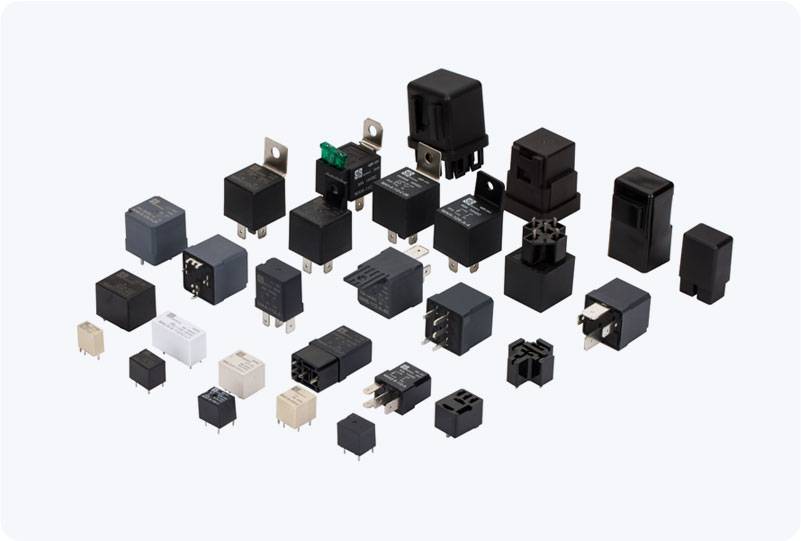
What is an Overload Relay? An overload relay is a protective device used primarily in motor control circuits. Its primary function is to monitor the electrical current flowing through a circuit and disconnect the power supply when the current exceeds a pre-set limit, thus preventing damage to the equipment. These relays are most commonly found in industrial applications, where large motors and other machinery require protection against abnormal operating conditions such as overloads. When an electric motor experiences a current higher than its rated value for a prolonged period, it can overheat and eventually fail. This could lead to costly repairs, reduced efficiency, and downtime. The overload relay helps to mitigate these risks by disconnecting the motor before it sustains irreversible damage.