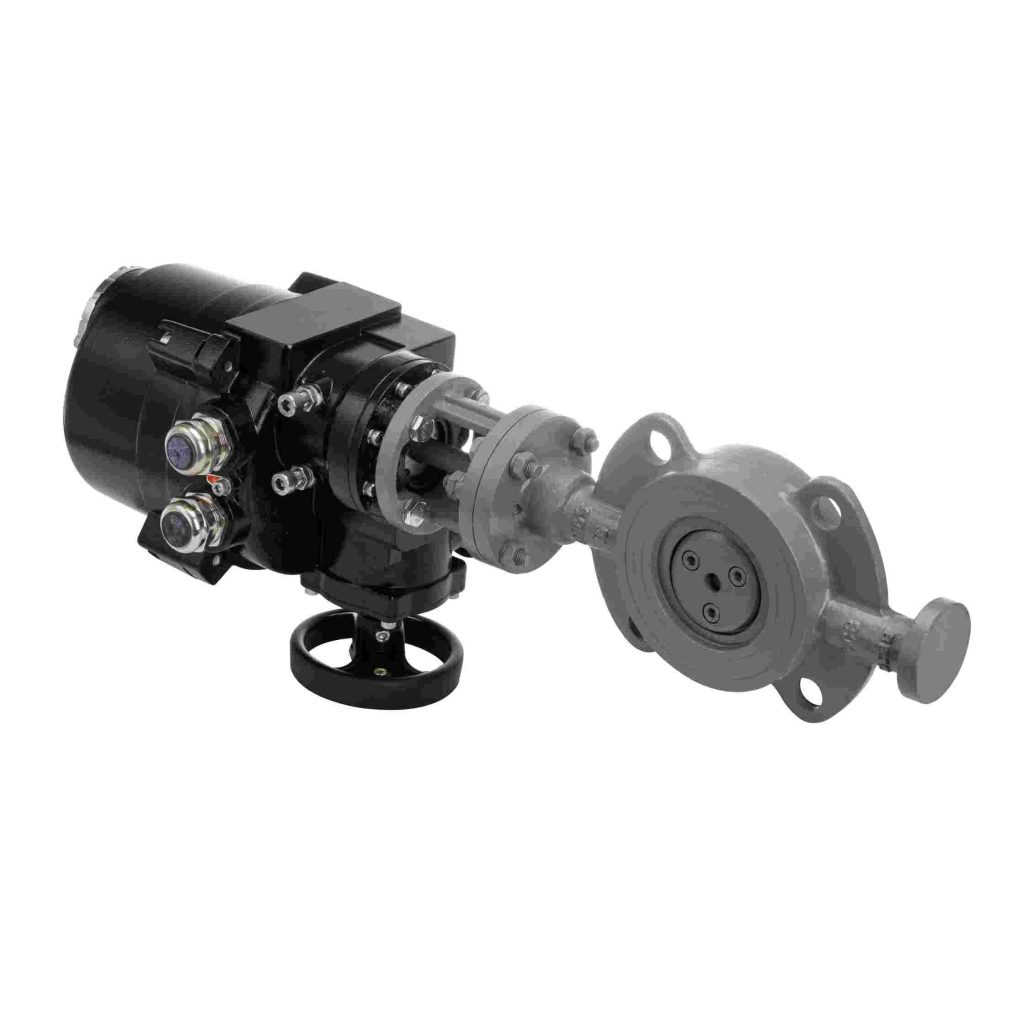
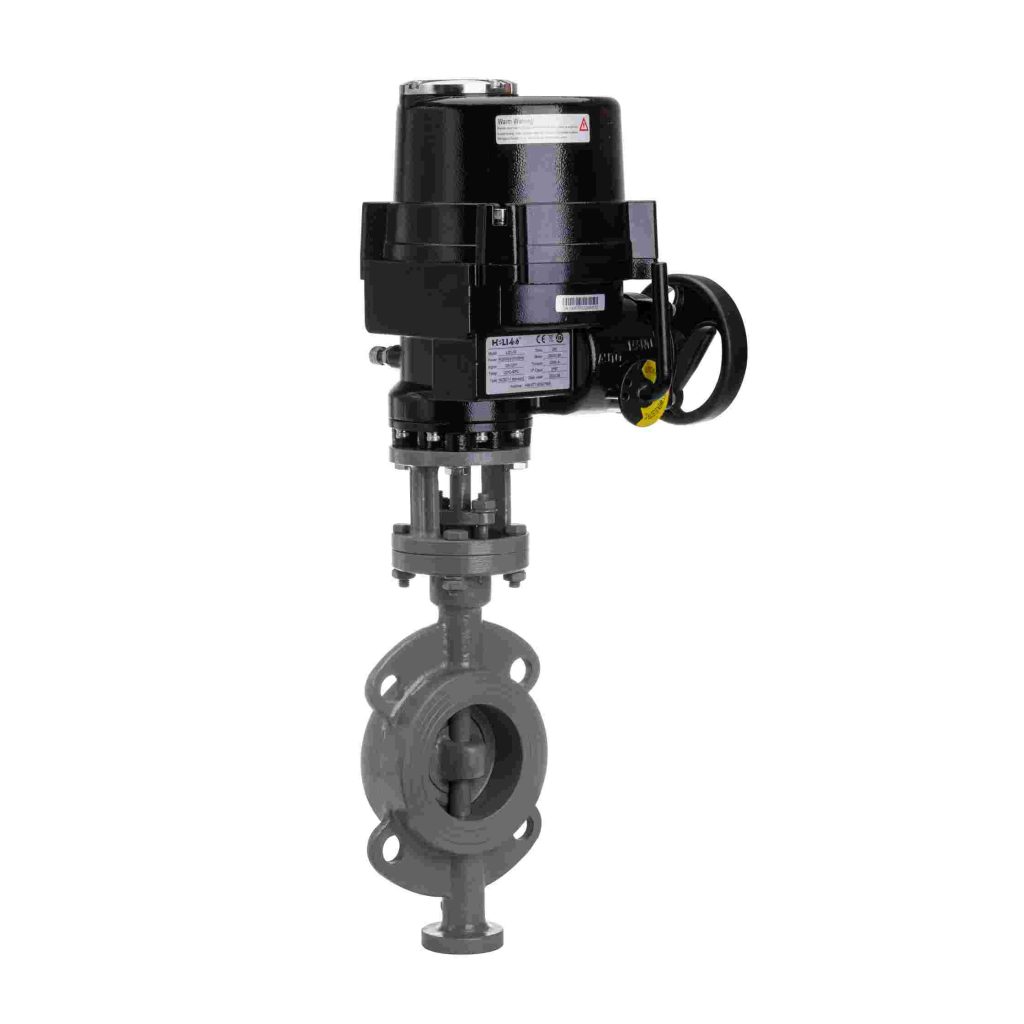
The maritime industry has always played a crucial role in global trade and transportation, with ships moving over 80% of goods worldwide. However, the sector has also been a major contributor to environmental pollution, especially through its reliance on traditional fuels. With the growing global push for sustainability and reduced emissions, the hydrogen energy sector is emerging as a game-changer for marine applications. Among the technological advancements aiding this transition is the Hydrogen Energy Marine Electric Butterfly Valve, an essential component that plays a key role in optimizing the use of hydrogen fuel in ships. This article explores the significance of this innovative valve and its contribution to a more sustainable maritime future.
The Role of Hydrogen Energy in the Maritime Industry
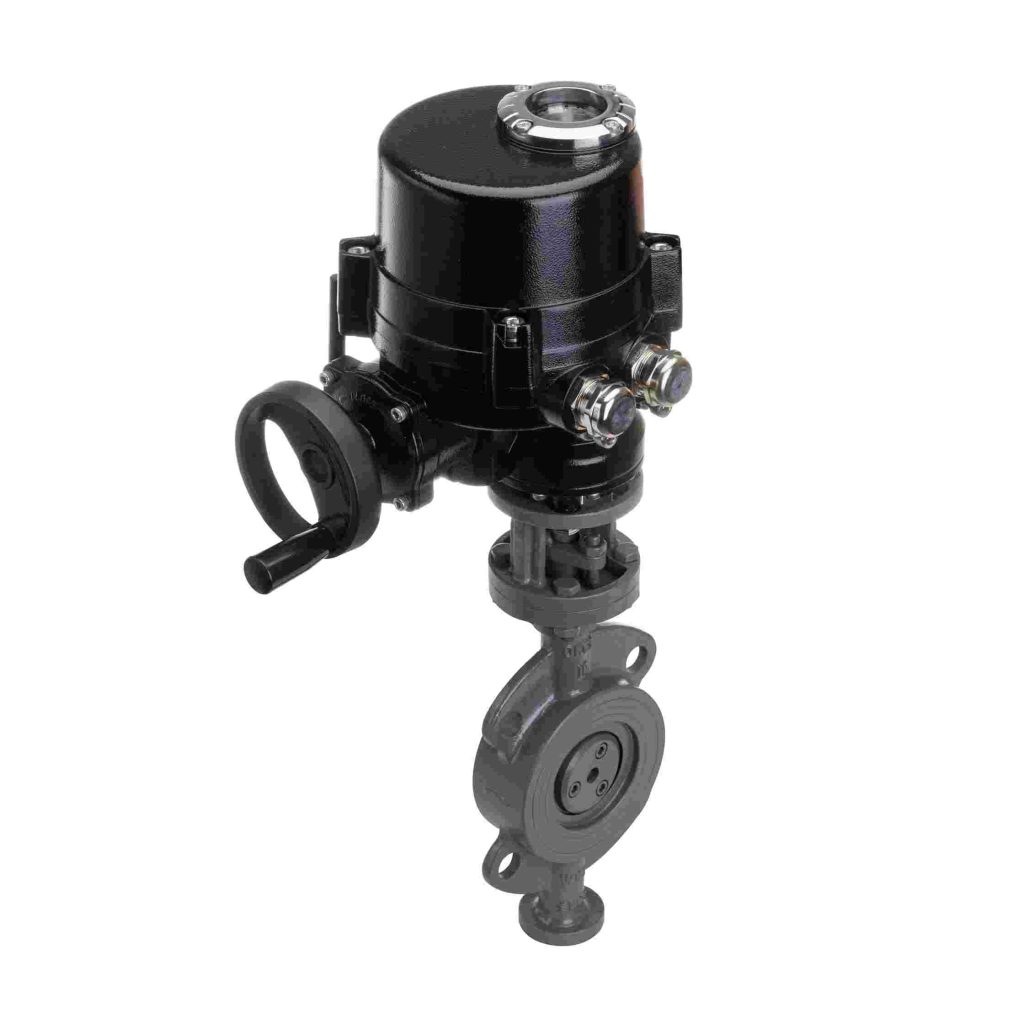
Hydrogen energy is increasingly being seen as a viable alternative to traditional marine fuels such as diesel and heavy fuel oil. Hydrogen, when used as a fuel source, produces only water vapor as a byproduct, making it a zero-emission fuel that can significantly reduce the environmental impact of shipping. In fact, the maritime industry is under increasing pressure to reduce its carbon footprint, and hydrogen energy is seen as one of the most promising solutions to meet future emission targets. One of the main challenges in adopting hydrogen as a marine fuel is the need for highly specialized and efficient systems to store, manage, and transport hydrogen on ships. This is where components like the Hydrogen Energy Marine Electric Butterfly Valve come into play.