Relays are essential components in modern electrical and electronic systems, offering a reliable means of controlling circuits without direct human intervention. At the heart of relay functionality lies the concept of relay current—the electric current that flows through the relay’s contacts, allowing it to operate. In this article, we will explore the different types of relay currents, their significance, and the critical factors to consider when using relays in various applications.
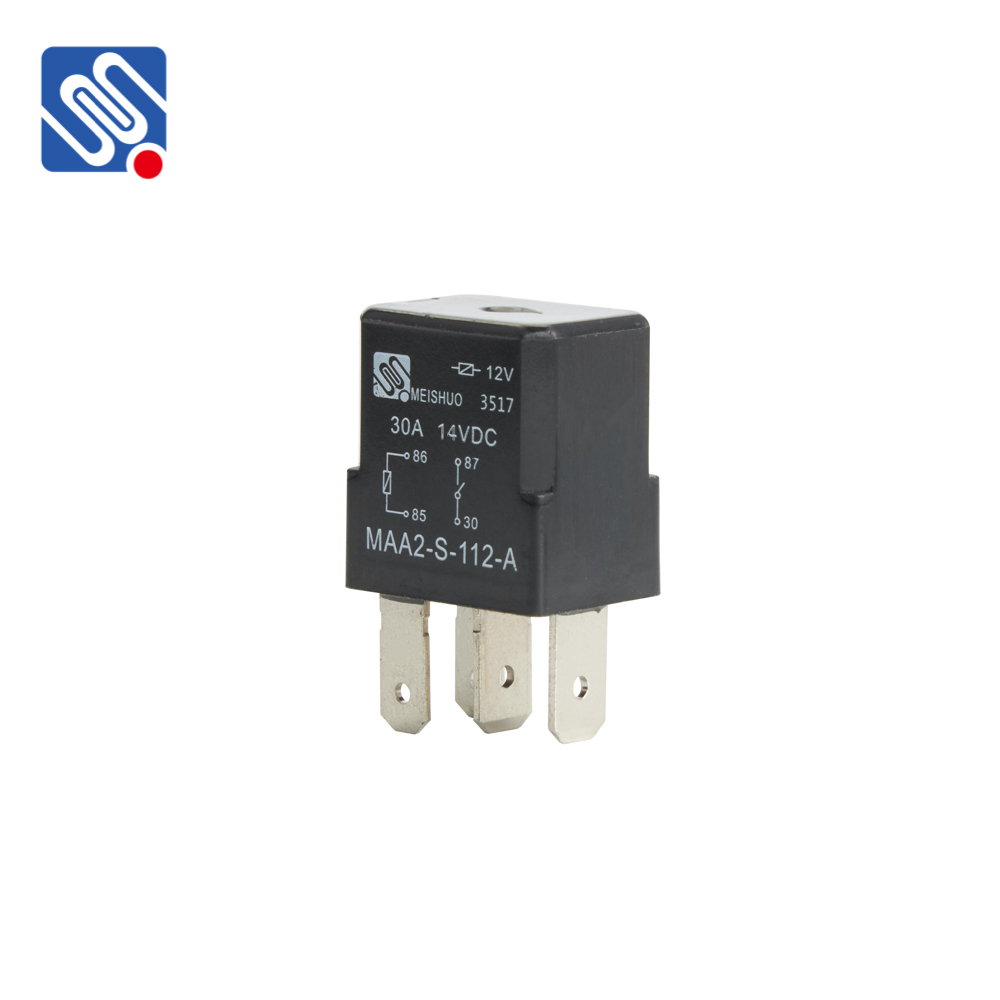
What is Relay Current? Relay current refers to the electrical current passing through the contacts of a relay, enabling the switch mechanism to either open or close. Relays are used to control the flow of electrical power between different parts of a circuit, and they are triggered by an external signal (often from a low-voltage circuit). The relay’s current handling capability is a fundamental parameter when selecting the appropriate relay for an application. Types of Relay Currents There are several key types of current associated with relays, each serving a unique function:
Coil Current (Drive Current): The coil current is the current that flows through the relay’s electromagnetic coil to energize it. This current generates a magnetic field that actuates the relay, causing its contacts to either close or open. Coil current is typically small and varies depending on the relay’s design. Relays with lower coil current are often used in circuits where space and power consumption are a concern.