In today’s industrial landscape, safety is paramount, especially when it comes to maintenance and repair operations. Among the various safety measures implemented, Tagout (often paired with Lockout, forming the Lockout/Tagout or LOTO procedure) stands out as a crucial protocol for ensuring the protection of workers. This article will delve into the fundamentals of Tagout, its importance, implementation steps, and the role it plays in fostering a safe working environment.
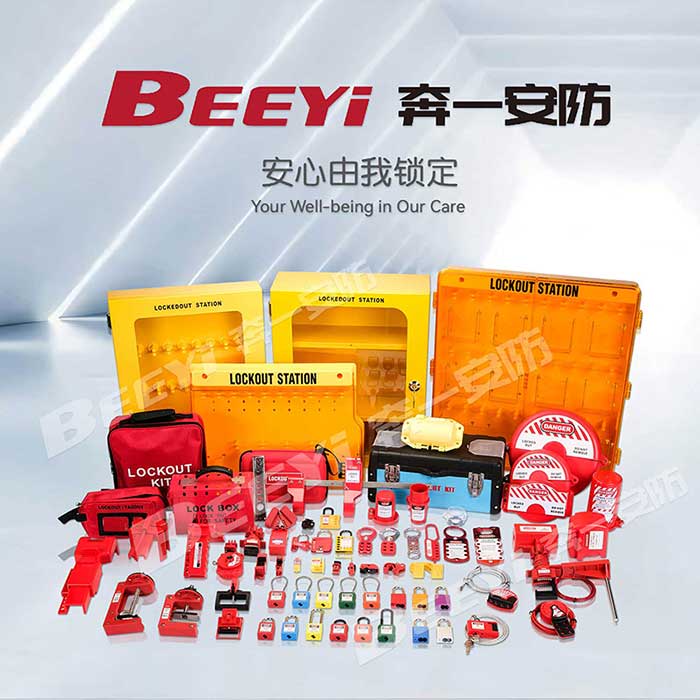
What is Tagout? Tagout refers to the process of placing a tag on equipment or machinery that is undergoing maintenance or repair. The main objective is to clearly indicate that the equipment should not be operated until the specified maintenance work is completed. Unlike Lockout, which involves physically securing energy sources, Tagout serves as a warning—priming workers and other personnel to the potential hazards associated with the equipment’s current state. The Importance of Tagout The significance of Tagout cannot be overstated. When poorly maintained machinery operates, the risks are immense, leading to potential accidents, injuries, or even fatalities. Tagout serves as a critical barrier to unintended machine startups. By signifying that a machine is out of service, it minimizes the likelihood of a worker inadvertently activating a piece of equipment while it is being serviced.