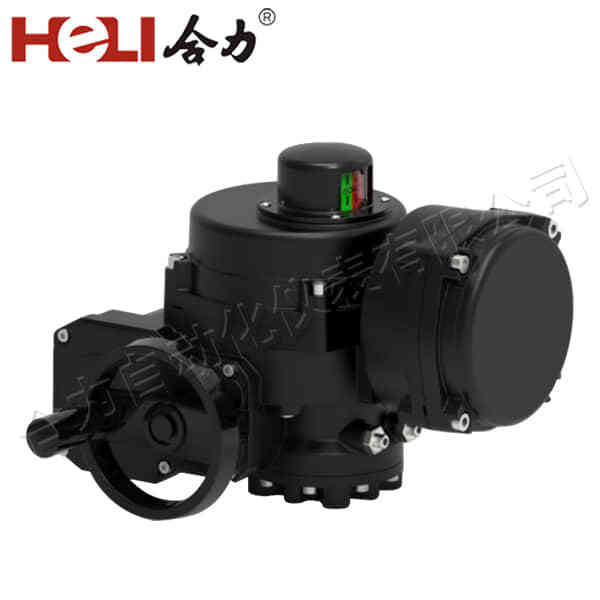
Electric actuators are an integral part of modern automation systems, providing reliable and precise control for various applications across industries. These devices convert electrical energy into mechanical motion, enabling automated processes in environments ranging from manufacturing plants to robotics and smart homes. This article explores the key features, applications, and advantages of electric actuators, highlighting their growing significance in the world of automation.
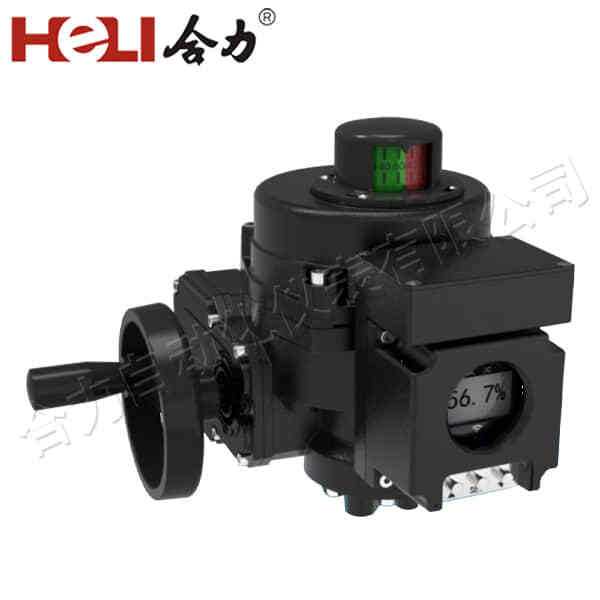
What is an Electric Actuator?
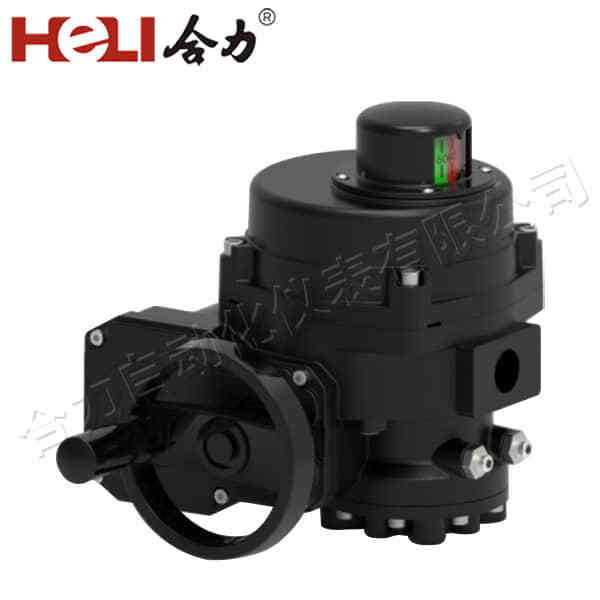
An electric actuator is a mechanical device that uses electric energy to create linear or rotary motion. Unlike pneumatic or hydraulic actuators that rely on air or fluid pressure, electric actuators operate through an electric motor, often coupled with gear mechanisms, to move objects or adjust mechanical systems. The motion produced can range from simple on-off actions to complex positioning, making electric actuators versatile and widely used in automation processes. Electric actuators consist of several components, including the electric motor, transmission gears, feedback systems, and control electronics. These parts work together to ensure accurate and efficient movement. Depending on the application, actuators can be powered by direct current (DC) or alternating current (AC) motors, and their design can range from small, compact units to larger, more powerful systems for heavy-duty tasks.