In today’s world, electronic devices and systems play an increasingly crucial role in our daily lives. One of the essential components often employed in these systems is the relay. Specifically, the 12V relay has gained popularity due to its versatility, reliability, and ease of use in various applications, ranging from automotive to industrial automation and home appliances. This article aims to delve into the workings, applications, advantages, and considerations associated with 12V relays.
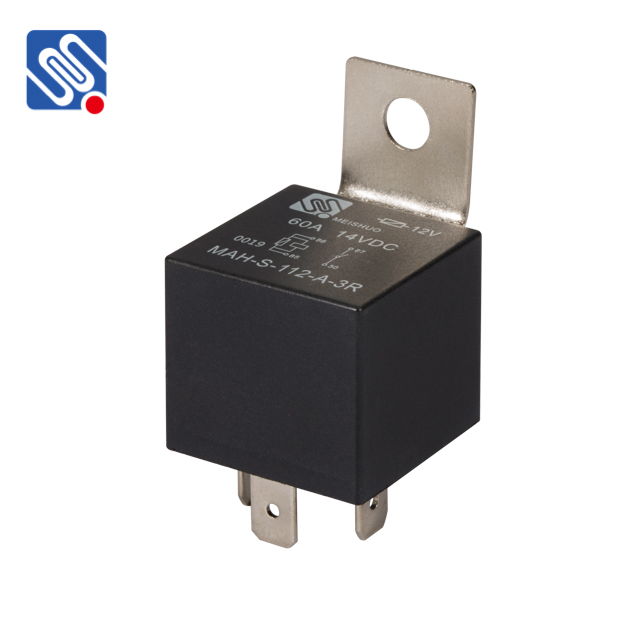
Understanding the Basics of 12V Relays A relay is an electromechanical switch that can control a high-power circuit with a low-power signal. The fundamental operation of a relay involves an electromagnetic coil and contacts. When a low voltage, such as 12 volts, is applied to the coil, it generates a magnetic field that pulls the contacts closed or opens them, depending on the relay’s configuration. This mechanism allows the relay to act as an intermediary between a low-power control circuit and a high-power load. Key Components of a 12V Relay Coil: The coil is responsible for generating the magnetic field when energized. For a 12V relay, the coil is designed to operate efficiently at this voltage.