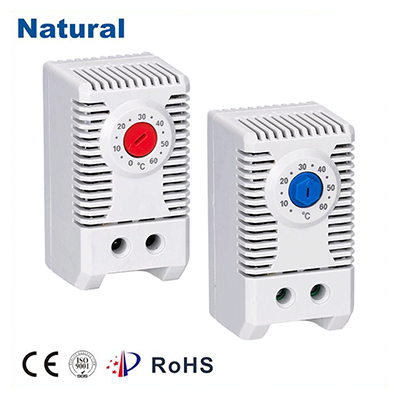
Bimetal thermostats are simple yet highly effective devices that play a crucial role in controlling temperature in various applications, ranging from household appliances to industrial machinery. By harnessing the distinct thermal expansion properties of two different metals, bimetal thermostats provide a reliable and cost-effective solution for temperature regulation. This article explores the working principle, applications, advantages, and limitations of bimetal thermostats.
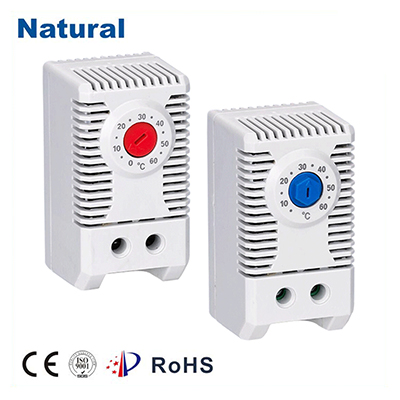
The Working Principle
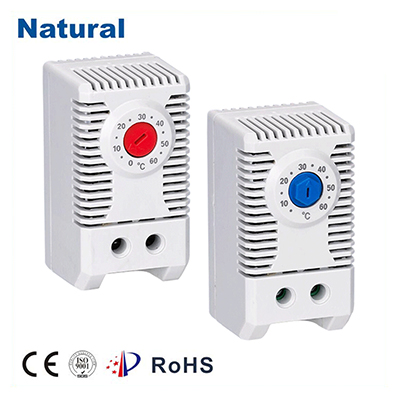
At the heart of the bimetal thermostat is a strip or disc made of two different metals with differing coefficients of thermal expansion. These metals are bonded together, and their differing expansion rates cause the strip to bend or flex when subjected to temperature changes. Typically, one metal expands more than the other when heated, causing the entire bimetallic strip to curve in response to the temperature rise. The bimetallic strip is usually connected to a mechanical switch or contacts. As the strip bends, it either closes or opens an electrical circuit, depending on the design of the thermostat. This mechanism triggers the desired action, such as turning on or off a heating or cooling system. Once the temperature returns to the preset level, the strip straightens, re-establishing the contact and restoring the system to its original state.