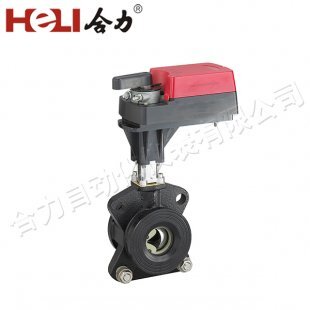
In recent years, hydrogen energy has emerged as a promising alternative to fossil fuels, aiming to reduce carbon emissions and enhance energy sustainability. Among the innovative applications of hydrogen technology is the Hydrogen Energy Damper Actuator, a sophisticated device that integrates the principles of damping with hydrogen-powered actuation. This article delves into the functions, advantages, challenges, and potential applications of Hydrogen Energy Damper Actuators, illustrating their significant role in various sectors.
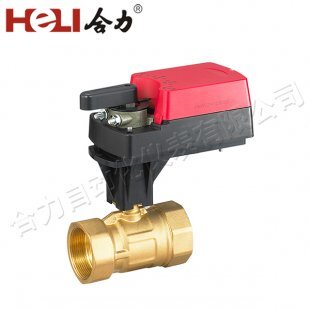
Understanding Hydrogen Energy Damper Actuator
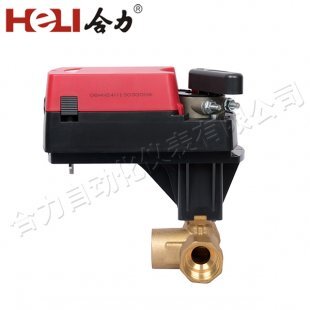
A Hydrogen Energy Damper Actuator operates on the dual principles of energy absorption and actuation, utilizing hydrogen gas as a power source. Traditionally, dampers are employed in engineering to mitigate vibrations and shocks, while actuators are devices that facilitate movement in response to control signals. By combining these functionalities with the efficiency of hydrogen energy, this actuator brings forth a versatile solution suitable for various applications, particularly in dynamic environments where vibration control is crucial. Working Mechanism The operational mechanism of a Hydrogen Energy Damper Actuator comprises several core components: a hydrogen storage system, a conversion mechanism to turn hydrogen energy into kinetic energy, and a control system that manages the actuator’s performance. Hydrogen gas is typically stored in high-pressure tanks. When required, the gas can either be released to create pressure and drive a piston or converted into electricity to power an electric motor, which in turn activates the damping mechanism.