Relay circuit protection is a critical aspect of electrical systems, safeguarding components from potential damage caused by overloads, short circuits, voltage fluctuations, and other electrical faults. Relays, being automatic electrical switches, are widely used in industrial, commercial, and residential applications for controlling high-power circuits with low-power signals. However, due to the nature of their operation, relays can be susceptible to various electrical hazards if not properly protected. This article explores the importance of relay circuit protection and the different methods used to ensure the longevity and reliability of electrical systems.
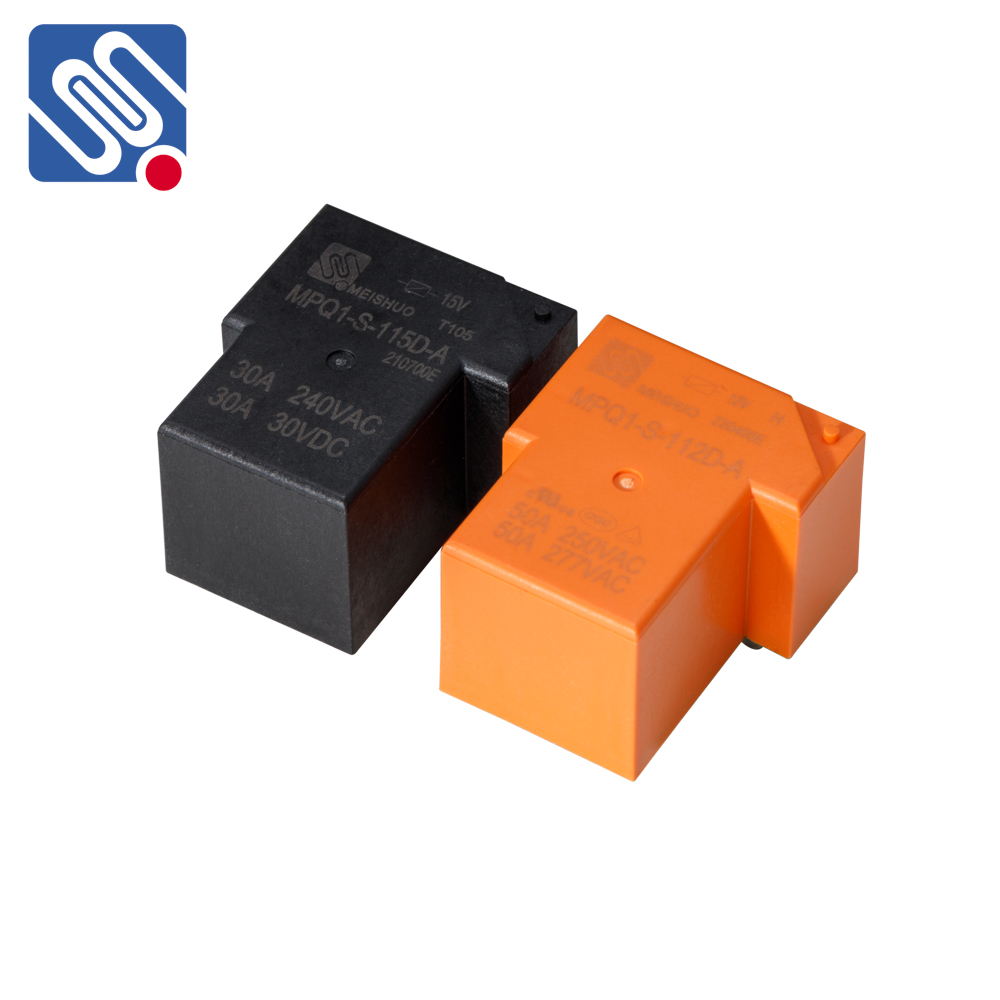
The Role of Relays in Electrical Systems A relay acts as a bridge between the control circuit and the power circuit, allowing a low-power signal to control a high-power device. Relays are essential in many applications, such as protecting motors, regulating the flow of electricity, and enabling automatic switching in industrial automation systems. Although relays are designed to operate reliably, their performance can be compromised under certain adverse conditions like excessive current, high voltage, or thermal overload. This is where relay circuit protection plays a vital role in ensuring their proper function and preventing catastrophic failures.