A Direct Acting Solenoid Valve (DASV) is a crucial component in modern fluid and gas control systems. With its simple design and ability to control flow without the need for an external pressure difference, this type of valve is widely used across various industries. This article will delve into the principles, advantages, and applications of Direct Acting Solenoid Valves to provide a comprehensive understanding of how they work and why they are indispensable in automation and control systems.
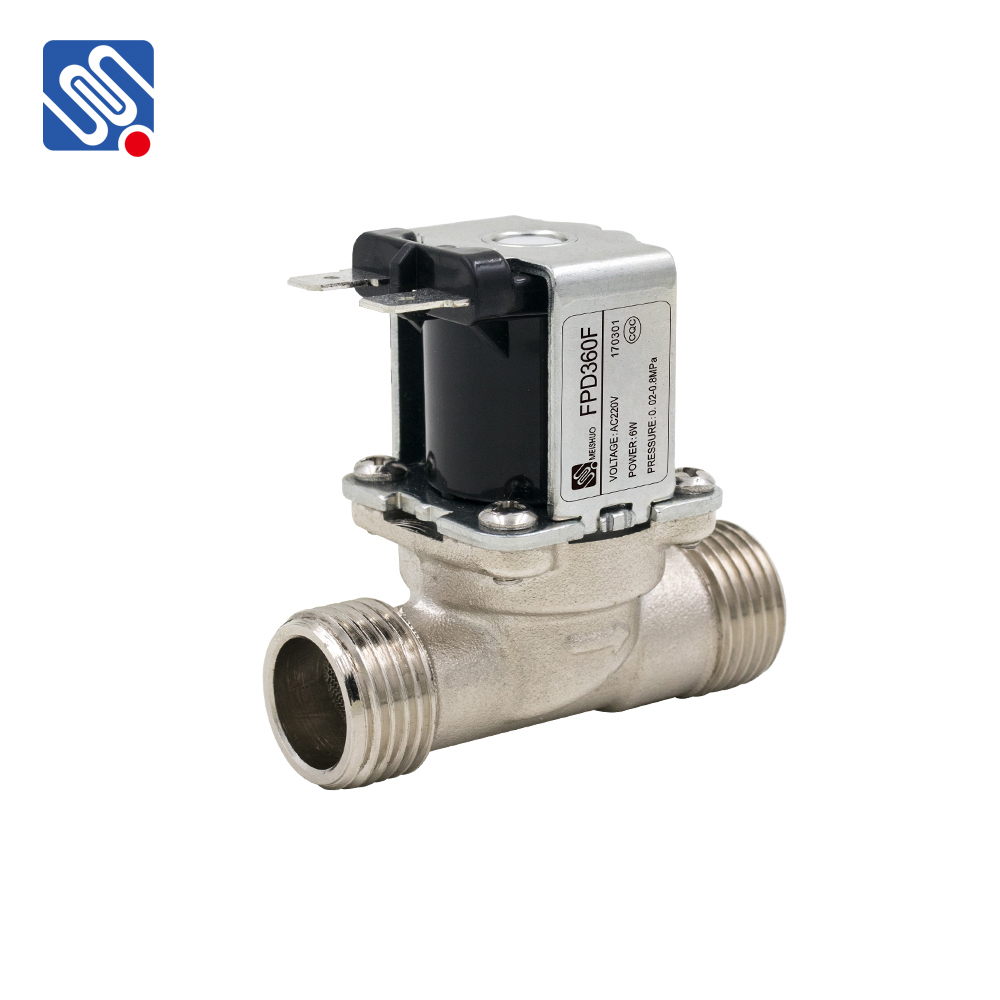
What is a Direct Acting Solenoid Valve? A Direct Acting Solenoid Valve operates based on an electromagnetic coil, which, when energized, creates a magnetic field that directly moves the valve’s plunger or diaphragm. This mechanical movement opens or closes the valve, controlling the flow of fluids or gases. The valve operates without the need for external pressure differences, making it unique compared to other valve types such as pilot-operated valves. Principles of Operation The direct action solenoid valve works by directly converting electrical energy into mechanical movement. Here’s how it functions: