The construction industry, particularly in scaffolding operations, involves inherent risks due to the nature of the work and the environment. To mitigate these risks and ensure worker safety, scaffolding lockout tags play a pivotal role in controlling equipment usage and preventing unauthorized or accidental operation. OEM (Original Equipment Manufacturer) scaffolding lockout tags are specifically designed to meet the needs of various construction sites, offering customizable solutions for maintaining safety standards. In this article, we will explore the significance of these lockout tags, the role of OEM manufacturers in producing them, and the advantages of opting for custom solutions.
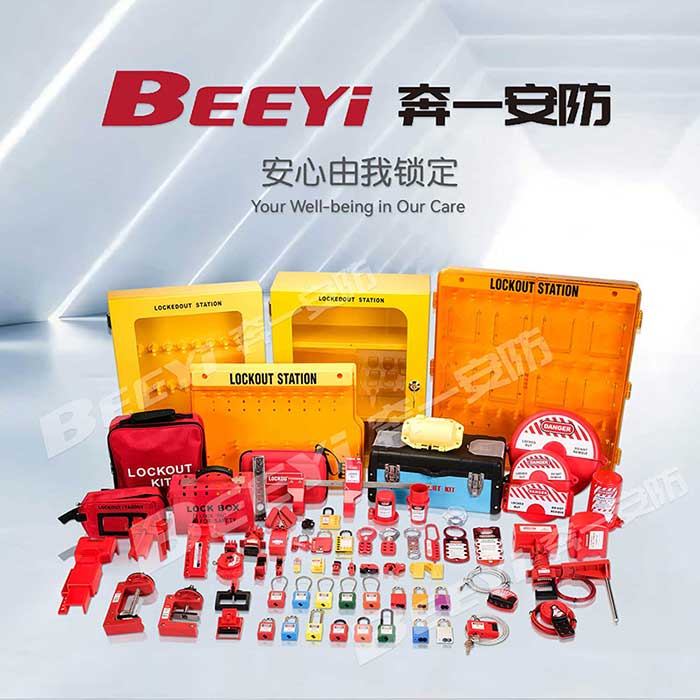
Understanding OEM Scaffolding Lockout Tags OEM scaffolding lockout tags are crucial components in construction and maintenance safety programs. These tags are used to indicate that a particular piece of scaffolding equipment has been locked out for repairs, maintenance, or inspection. When a scaffold is locked out, workers are prevented from using the equipment until it has been deemed safe for operation. This serves as a critical safety measure, ensuring that no one inadvertently activates or tamper with scaffolding that may be unstable or under maintenance. Lockout tags are typically made from durable materials such as plastic, polyester, or metal, designed to withstand harsh environmental conditions. These tags often feature safety warnings like “Do Not Operate,” “Locked Out,” or “Danger,” along with essential information such as the worker’s name, date, and reason for lockout. For higher security, many tags come with options for adding barcodes or QR codes, which allow easy tracking and documentation in large-scale projects.