In today’s industrial and manufacturing environments, safety is paramount. With complex machinery and high-energy equipment, the risk of accidents and injuries is ever-present. One of the most effective ways to protect workers from harm during maintenance, repair, or cleaning activities is through Safety Padlocks and the Lockout/Tagout (LOTO) procedure. These safety measures play a vital role in ensuring that workers are protected from hazardous energy sources, such as electrical, mechanical, hydraulic, and thermal energy, during maintenance work.
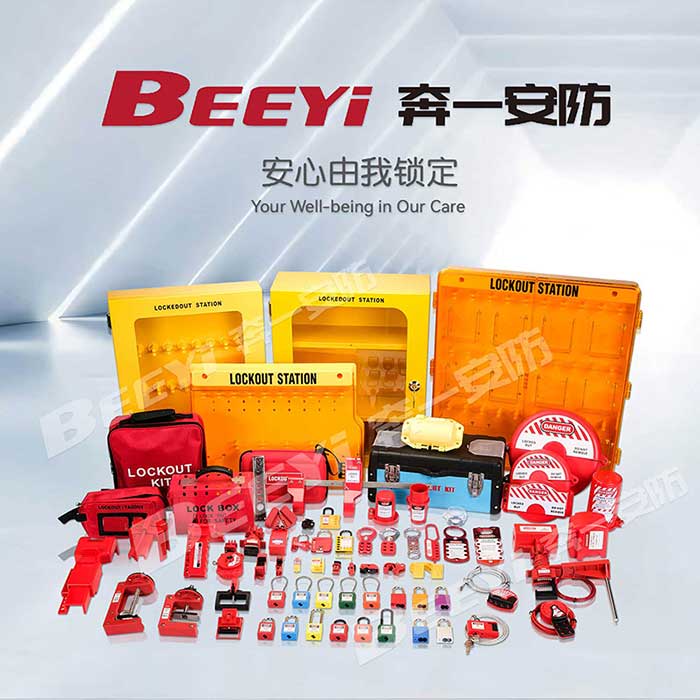
What Are Safety Padlocks? Safety padlocks are specialized locks used in industrial safety programs to prevent machinery and equipment from being inadvertently activated or started during maintenance. These locks are designed to physically secure energy-isolating devices (like circuit breakers, switches, and valves) to ensure they cannot be operated while a technician is working on the machinery. Key Characteristics of Safety Padlocks: Durable Materials: Typically made from materials such as non-conductive nylon or stainless steel, these padlocks are resistant to corrosion and high temperatures, ensuring long-lasting performance in harsh environments.