Relay circuit protection plays a crucial role in maintaining the safety and reliability of electrical systems. As the demand for electricity grows and systems become increasingly complex, the importance of protecting electrical circuits from faults such as overloads, short circuits, and ground faults has never been greater. A relay, essentially an electrically operated switch, is a key component in these protection systems. It helps isolate damaged or malfunctioning parts of a circuit, preventing widespread damage and ensuring that the system operates efficiently.
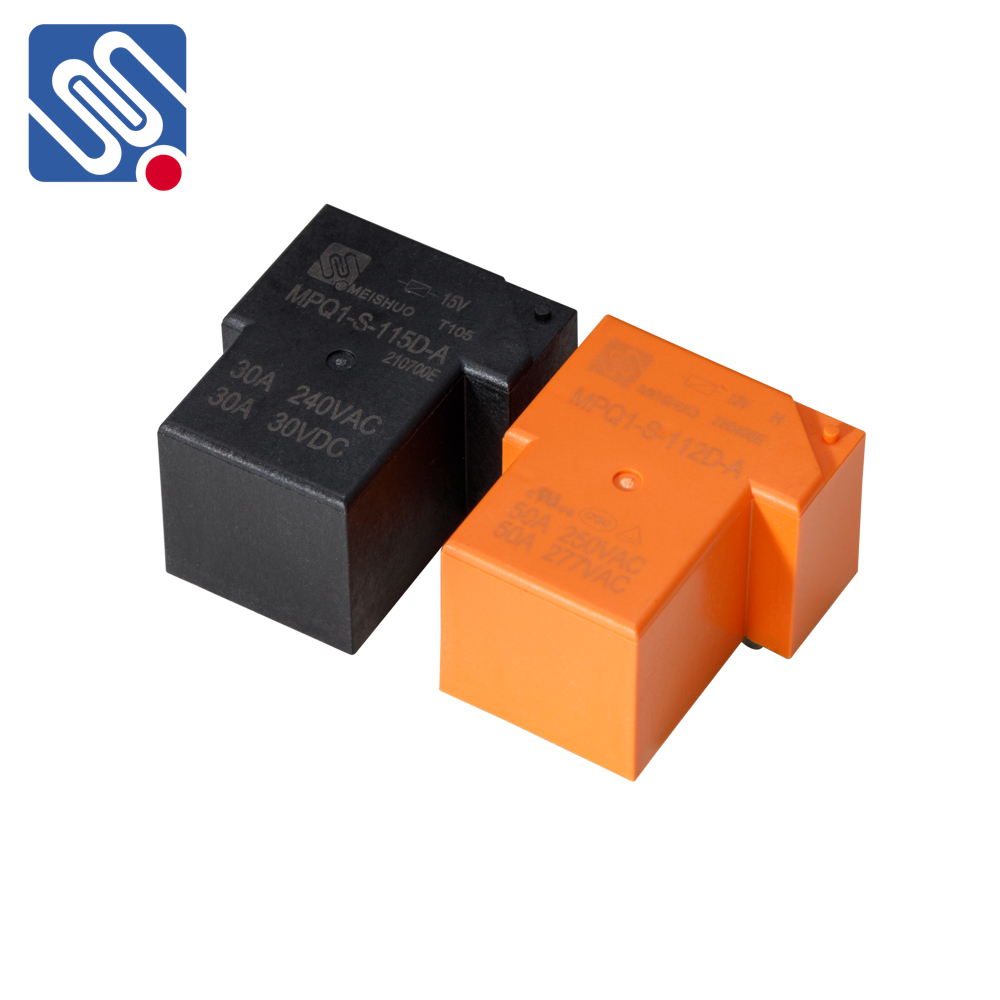
The Role of Relays in Circuit Protection A relay is an electromechanical device that can open or close a circuit depending on the input signal it receives. When it comes to circuit protection, relays monitor the electrical parameters of a system—such as current, voltage, and frequency—and respond accordingly to any abnormal conditions. By doing so, they prevent equipment from being exposed to harmful conditions that could lead to costly repairs, system downtime, or even hazards like fires. Relays are typically used in conjunction with other protective devices, such as fuses and circuit breakers, to create a comprehensive protection scheme. The role of a relay in this scheme is primarily to detect faults in real-time and take action before the fault causes irreparable damage to the system.