In an increasingly industrialized world, safety remains a paramount concern, especially in environments where machinery and electrical equipment are prevalent. The IEC 60947-2 certified safety padlock plays a vital role in the implementation of safety measures by providing a reliable means to secure equipment during maintenance and repair processes. This article will delve into the significance, features, and practical applications of IEC 60947-2 certified safety padlocks.
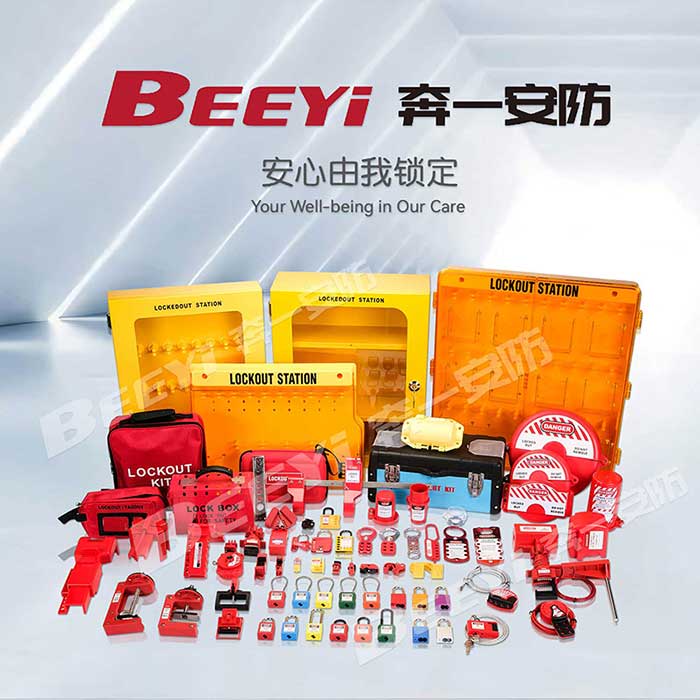
A Brief Overview of IEC 60947-2 The International Electrotechnical Commission (IEC) established the IEC 60947-2 standard to ensure the safety and reliability of low-voltage switchgear and controlgear. This standard outlines various requirements to prevent hazards that could arise from electrical equipment, particularly when it comes to maintenance. A significant aspect of this standard is the emphasis on safety practices, among which is the use of safety padlocks to execute effective lockout/tagout (LOTO) procedures. Importance of Safety Padlocks The primary purpose of a safety padlock is to prevent the unintended operation of machinery during maintenance or servicing, thereby protecting personnel from potential accidents. Compliance with the IEC 60947-2 standard ensures that safety padlocks possess specific attributes that enhance their reliability and effectiveness. Industries often deal with high-voltage equipment and complex machinery, where the consequences of accidental startups can be catastrophic. Thus, safety padlocks serve as a frontline defense in safeguarding both workers and equipment.