The Battery Pack Main Relay (BPMR) is an integral part of modern electric vehicles (EVs) and hybrid electric vehicles (HEVs). It serves as the primary switch that controls the power flow between the battery pack and the vehicle’s electrical systems. This seemingly simple component plays a vital role in ensuring the safe and efficient operation of electric vehicles, as well as protecting the battery pack from potential hazards. In this article, we will delve into the functions, importance, and working principles of the Battery Pack Main Relay in electric vehicle systems.
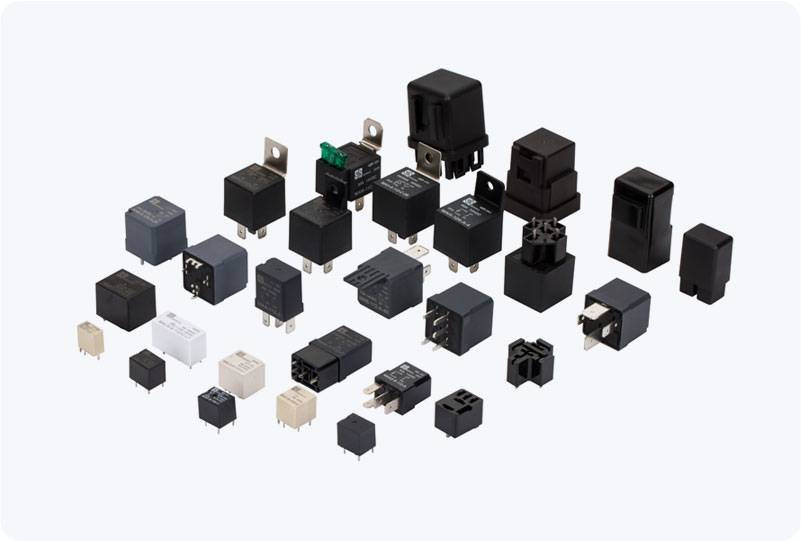
What is a Battery Pack Main Relay? At its core, the Battery Pack Main Relay is a high-power relay designed to connect and disconnect the vehicle’s battery pack from its various electrical components. The relay acts as a switch that ensures proper power distribution and prevents dangerous situations, such as short circuits or battery damage, by cutting off the connection when needed. It operates under the control of the vehicle’s Battery Management System (BMS), which monitors the battery’s health and performance. Functions of the Battery Pack Main Relay Power Control: The primary function of the BPMR is to control the flow of electricity from the battery pack to other electrical systems in the vehicle, such as the electric motor, charging unit, and on-board electronics. The relay opens and closes the circuit, effectively allowing or stopping power delivery.