Lockout Hasps are critical safety devices used in industrial settings to ensure the safety of workers during maintenance, repair, and other tasks involving hazardous equipment. These devices are integral to the Lockout/Tagout (LOTO) procedures that are mandatory in many industries. Their application not only helps in complying with legal safety regulations but also significantly reduces the risk of workplace accidents. In this article, we will explore the importance of Lockout Hasps, their functionality, and their role in ensuring worker safety and regulatory compliance.
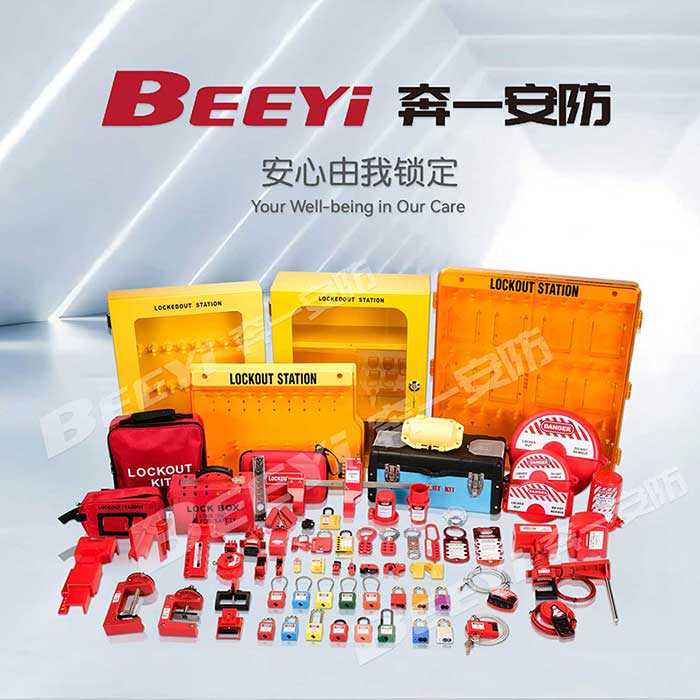
What Are Lockout Hasps? A Lockout Hasp is a device designed to secure an energy-isolating mechanism (such as an electrical switch or valve) and prevent the accidental release of hazardous energy while workers perform maintenance or repairs. The device itself consists of a metal or plastic plate with multiple holes for attaching locks. This allows multiple workers to lock out a piece of equipment at the same time, ensuring that each worker’s lock remains in place, and the machine cannot be activated until all locks are removed. The concept behind Lockout Hasps is simple yet effective: it provides a secure means to isolate a piece of equipment from its energy source while enabling all involved personnel to maintain control over the equipment’s deactivation.