Pneumatic lockouts are vital components in industrial settings, ensuring worker safety when working with pneumatic systems. A pneumatic lockout is a device used to isolate a pneumatic energy source to prevent accidental releases of energy during maintenance or servicing of machines. As industries continue to grow, the demand for such safety equipment has increased, and factories dedicated to producing pneumatic lockouts play a key role in meeting these needs. In this article, we will explore the significance of pneumatic lockouts, their function, and the crucial role of a pneumatic lockouts factory in manufacturing these essential devices.
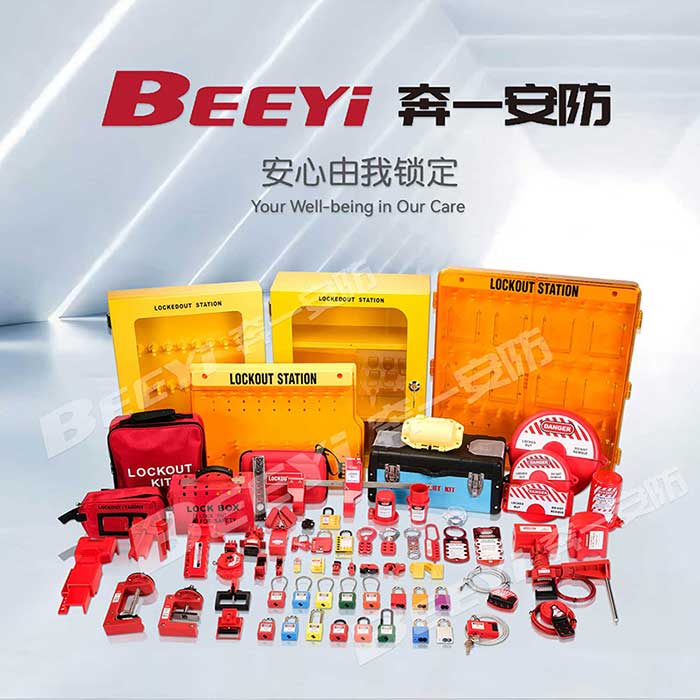
What is Pneumatic Lockout? Pneumatic systems are commonly used in manufacturing plants, construction sites, and various other industries that require compressed air for machinery operation. These systems, while efficient, also pose safety risks if not properly maintained or isolated during maintenance. Pneumatic lockouts are designed to ensure that compressed air or other gases are safely shut off during repair or maintenance work, thereby preventing accidental injury or equipment damage. A pneumatic lockout device works by physically blocking the release of pneumatic energy, typically by locking off the valve of a pneumatic line. This ensures that even if someone inadvertently attempts to operate the system, it will not release any air pressure. Pneumatic lockouts come in various designs, including valve lockouts, air hose lockouts, and isolator switches, each serving a specific function based on the type of pneumatic system in use.