In modern water filtration systems, Reverse Osmosis (RO) has become one of the most widely used technologies for purifying drinking water. A key component of the RO system is the Reverse Osmosis Solenoid Valve, which plays a crucial role in controlling water flow. This valve is responsible for regulating the flow of water into and out of the RO system, ensuring that the process operates efficiently. In this article, we will explore the working principle, importance, applications, and selection criteria for the Reverse Osmosis Solenoid Valve.
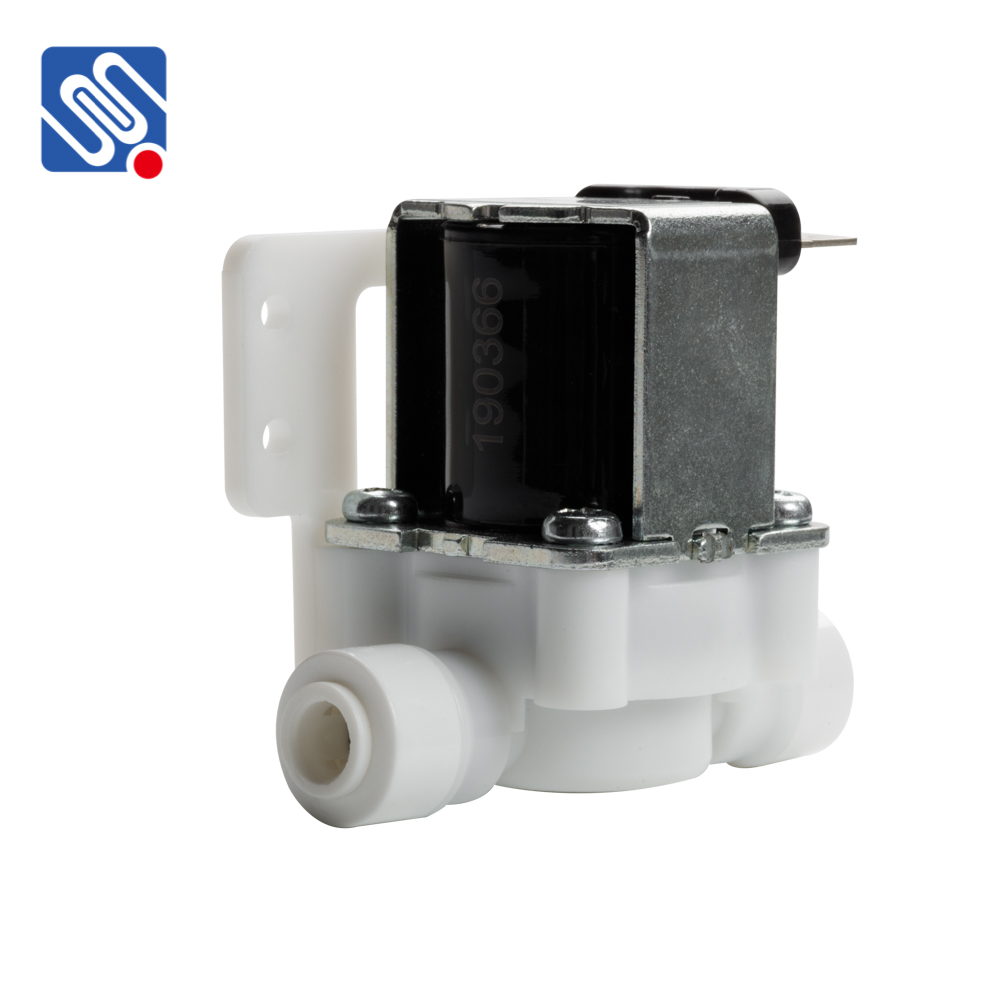
What is a Reverse Osmosis Solenoid Valve? A Reverse Osmosis Solenoid Valve is an electrically operated valve that controls the flow of water in a Reverse Osmosis filtration system. It works by using electromagnetic force to open and close the valve, allowing or blocking the passage of water as needed. The valve is typically controlled by a solenoid, which is a coil of wire that, when energized, creates a magnetic field that moves a plunger to either open or close the valve. This mechanism allows for precise control of water flow in the filtration process. How Does It Work? The Reverse Osmosis Solenoid Valve operates by converting electrical energy into mechanical motion. When an electrical current passes through the solenoid coil, it generates a magnetic field that pulls a plunger or valve stem. This movement either opens or closes the valve, depending on whether water needs to flow through the system or be shut off. In RO systems, these valves are used to control water flow into the membrane filters, reject water, and other components of the system.