Relays are integral components in many electrical systems, particularly those requiring the control of high-power devices using a low-power control signal. Among the different types of relays, the 24V 30A relay stands out as an essential device widely used in industrial, automotive, and household applications. This article delves into the characteristics, working principle, applications, and benefits of the 24V 30A relay, offering insight into why it is a vital part of modern electrical circuits.
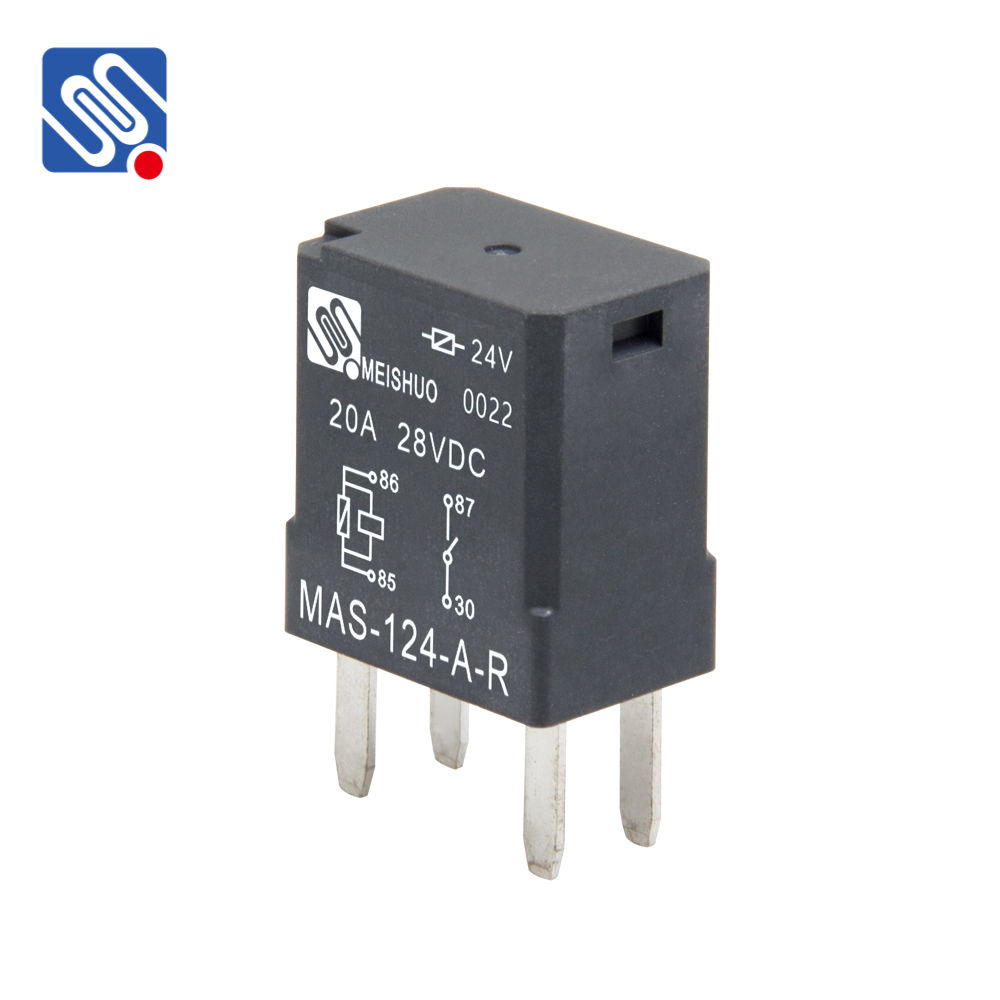
What is a 24V 30A Relay? A 24V 30A relay is an electrical switch that operates on a 24-volt DC signal to control the flow of higher current (up to 30 amps) in a separate circuit. It is designed to handle high-power applications while being triggered by a relatively low-power control signal, making it ideal for automating processes in various fields. The relay consists of a coil, contacts, and an electromagnet that opens or closes a set of electrical contacts when energized by the 24V control signal. The 30A current rating of the relay refers to the maximum current the relay’s contacts can handle in the switched circuit. This makes it suitable for controlling devices and machines that draw substantial electrical current, such as motors, heating elements, and lighting systems.