In industrial and manufacturing environments, safety protocols are paramount to ensure the well-being of employees and the efficient operation of machinery. One of the critical components of these safety measures is the Lockout/Tagout (LOTO) procedure, which aims to prevent accidental equipment startup during maintenance or repair. At the heart of this procedure lies a fundamental tool known as the Loto Lock. This article delves into the significance of Loto Lock in the context of workplace safety, exploring its functionality, application, and best practices to create a safer environment.
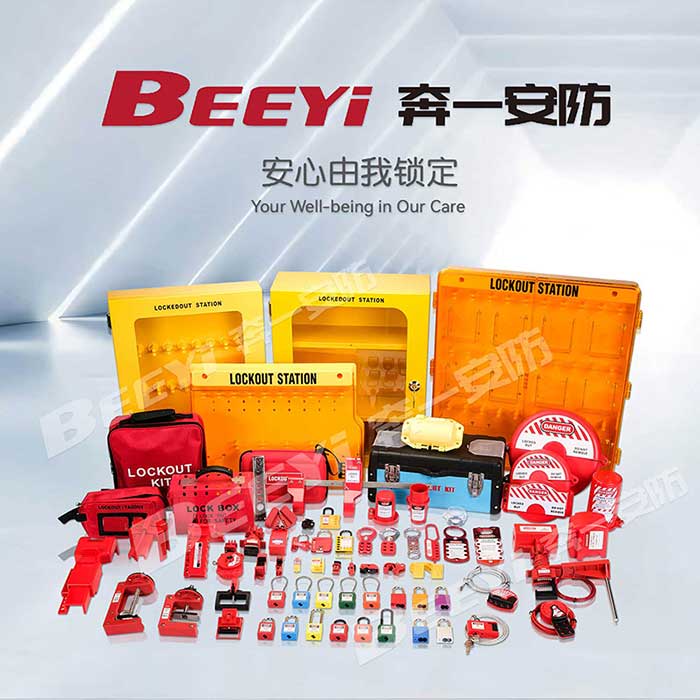
What is Loto Lock? A Loto Lock is a safety device used to lock out equipment and machinery, rendering it inoperable while maintenance is taking place. It prevents unauthorized access and ensures that employees working on the equipment are safe from accidental startup or release of hazardous energy. Loto Locks can be made from durable materials designed to withstand harsh industrial conditions, and they often come with features that allow for the attachment of multiple locks, catering to team-based maintenance activities. The Importance of Lockout/Tagout Procedures Lockout/Tagout procedures are essential for ensuring worker safety in various industries, including manufacturing, construction, and healthcare. According to the Occupational Safety and Health Administration (OSHA), failure to implement proper LOTO procedures is a leading cause of workplace injuries and fatalities. Each year, countless accidents occur due to improper equipment handling, accidental startups, or the release of stored energy during servicing. By employing a Loto Lock as part of the LOTO procedure, organizations significantly mitigate these risks and create a safer work environment.