The shift towards New Energy Vehicles (NEVs) has revolutionized the automotive industry, with electric vehicles (EVs) becoming more common on the roads. As the demand for sustainable transportation grows, so does the need for advanced technologies to improve the performance, safety, and longevity of EVs. One such technology that plays a critical role in the efficiency and reliability of these vehicles is the Solid-State Relay (SSR). In this article, we will explore the importance of SSRs in New Energy Vehicles, examining how they contribute to key systems such as Battery Management Systems (BMS), power distribution, and overall vehicle operation.
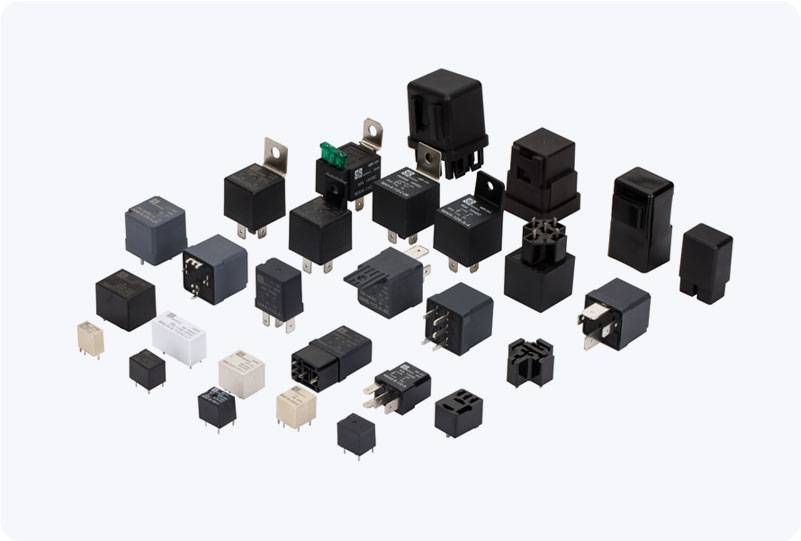
Understanding Solid-State Relays (SSR) Solid-State Relays (SSRs) are electronic switching devices that control electrical circuits without the need for mechanical moving parts. Unlike traditional electromechanical relays, which use contacts to make or break connections, SSRs rely on semiconductor materials such as triacs, thyristors, or MOSFETs to control the flow of current. This design offers several advantages, including faster switching times, increased reliability, and the ability to handle high currents and voltages. The Role of SSRs in New Energy Vehicles In New Energy Vehicles, SSRs are primarily used in the Battery Management System (BMS) and other key electrical systems. Here’s how they contribute to the performance and safety of EVs: