Electromechanical relays (EMRs) are essential components in the world of electrical engineering and automation. These devices serve as electrical switches that use electromagnetic mechanisms to open or close circuits, providing reliable control over a range of applications. As the backbone of many control systems, EMRs continue to play a significant role in various industries, from automotive to manufacturing, despite the emergence of solid-state alternatives. In this article, we will explore the functionality, advantages, applications, and challenges of electromechanical relays.
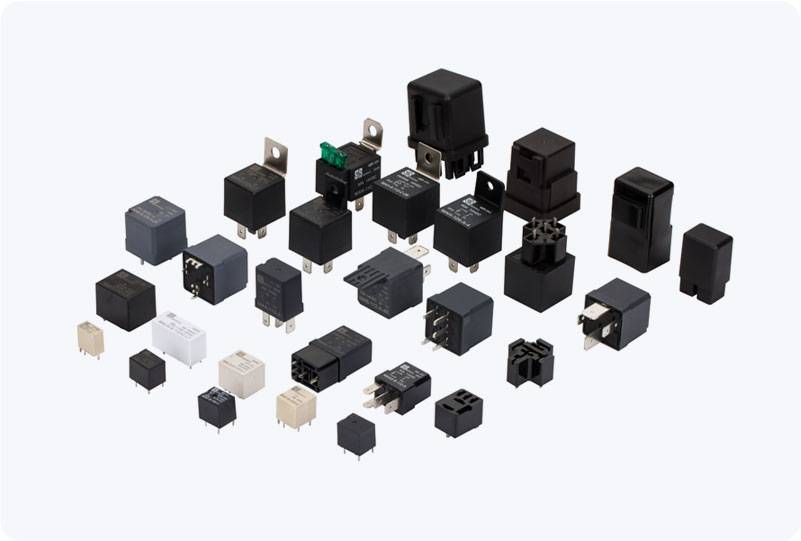
Functionality of Electromechanical Relays Electromechanical relays are composed of several key components: an electromagnetic coil, a movable armature, and sets of contacts (both normally open and normally closed). When an electric current passes through the coil, it generates a magnetic field that attracts the armature. This movement either connects or disconnects electrical contacts, ultimately controlling the flow of electricity in a circuit. The operation of an EMR can be broken down into several stages. Initially, when the relay is energized, the magnetic field causes the armature to move, closing the circuit and enabling the connected load to operate. Conversely, when the current ceases, the magnetic field collapses, and a spring mechanism returns the armature to its original position, thus opening the circuit. This fundamental operation allows relays to act as electronic switches in various applications.