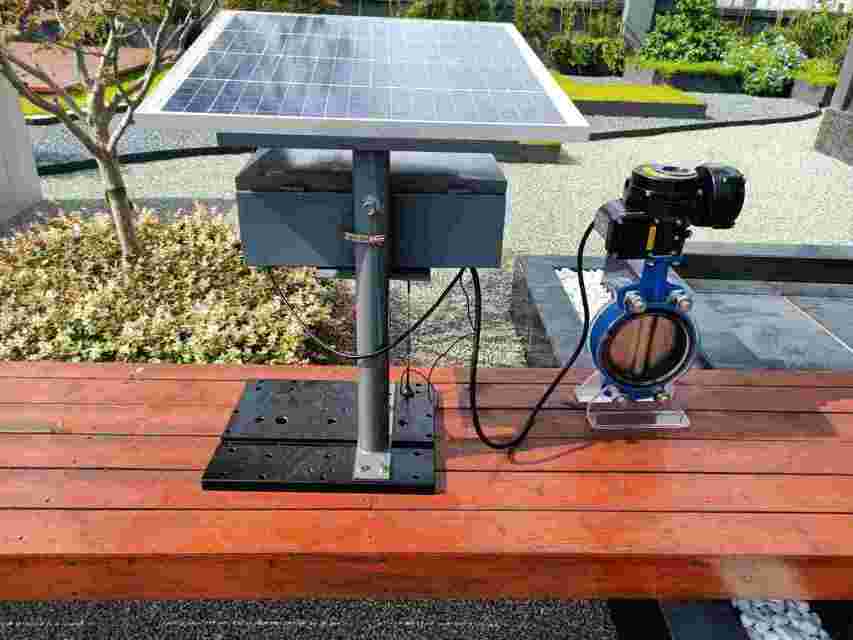
In recent years, the global shift toward renewable energy sources has prompted the development of innovative technologies designed to optimize energy efficiency and sustainability. Among these, the integration of lithium batteries, photovoltaic (solar) systems, and electric valves has proven to be a promising solution for various industries, particularly in the fields of energy storage, water management, and automation. The combination of these technologies—Lithium Battery Photovoltaic Electric Valves—offers a unique, eco-friendly approach that enhances the performance and reliability of modern energy systems. This article explores the significance of this integrated solution, its working principles, applications, and potential for transforming energy systems.
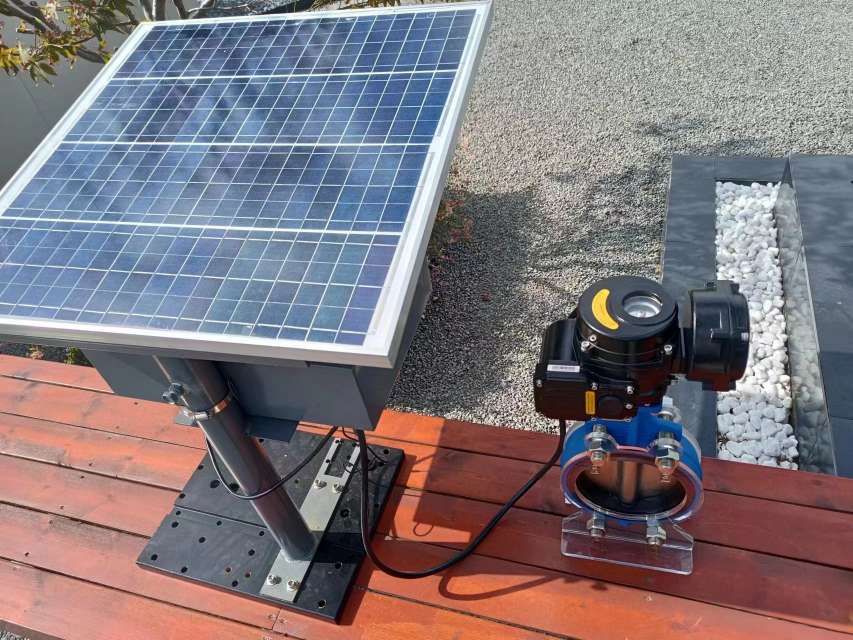
The Role of Lithium Batteries in Energy Storage
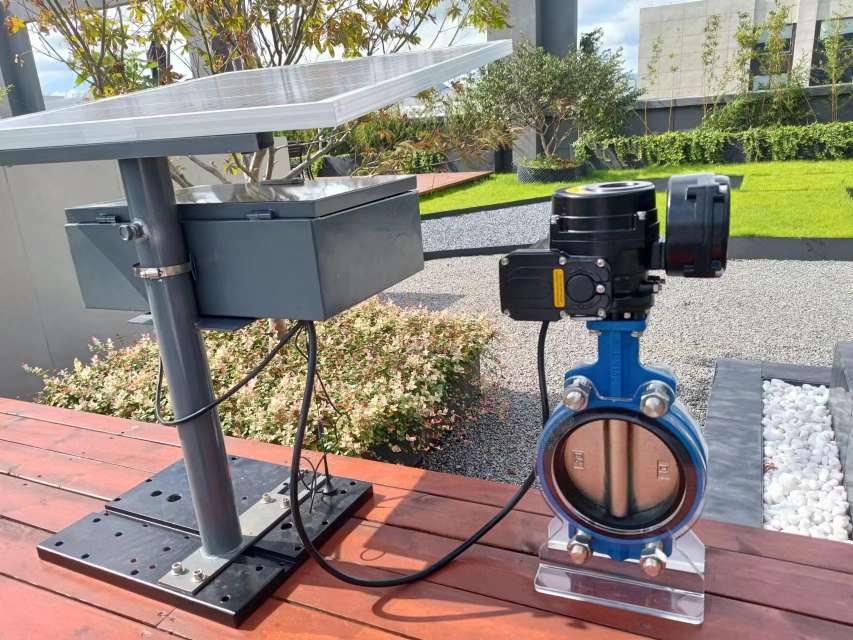
Lithium-ion batteries are widely regarded as one of the most efficient and reliable energy storage solutions available today. Their high energy density, long lifespan, and lightweight design make them the preferred choice for many applications, including electric vehicles, consumer electronics, and renewable energy systems. In photovoltaic (solar) energy systems, lithium-ion batteries store the energy generated by solar panels during daylight hours, enabling users to access a steady power supply even after the sun sets. The integration of lithium batteries into photovoltaic systems allows for greater energy independence, as it enables the storage of excess energy produced by solar panels. This stored energy can be used during times of low solar production or when energy demand is high, ensuring a continuous power supply. Furthermore, lithium-ion batteries have a low self-discharge rate, meaning they retain stored energy for extended periods without significant losses, making them ideal for use in off-grid or remote locations.