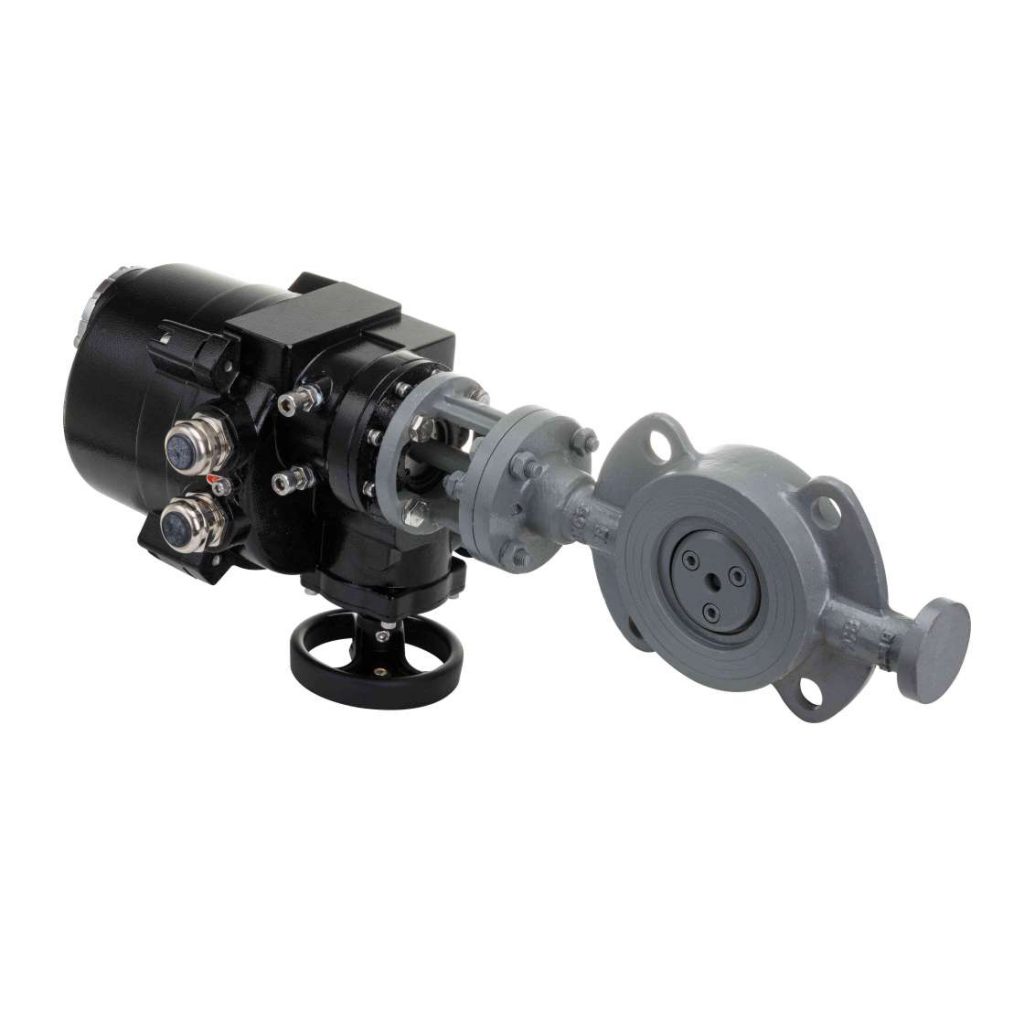
In the ever-evolving world of marine technology, control systems play a pivotal role in ensuring the efficient and reliable operation of ships and marine structures. Among the various components critical to the functionality of these systems, valves stand out as essential instruments for regulating the flow of liquids, gases, and other substances within a vessel’s piping system. One such remarkable valve that has gained widespread usage in modern marine applications is the WCB Marine Electric Butterfly Valve. This article delves into the features, applications, and benefits of this innovative valve, highlighting its impact on the maritime industry.
What is a WCB Marine Electric Butterfly Valve?
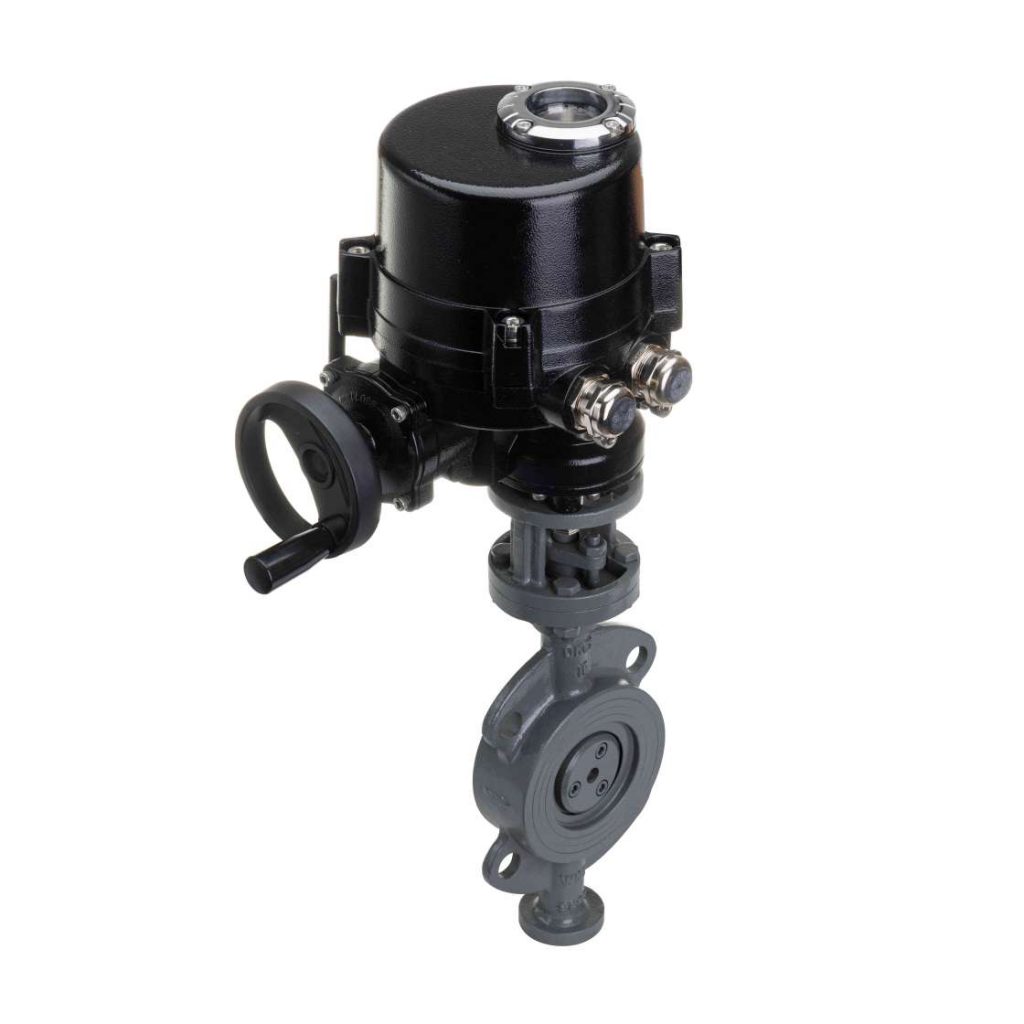
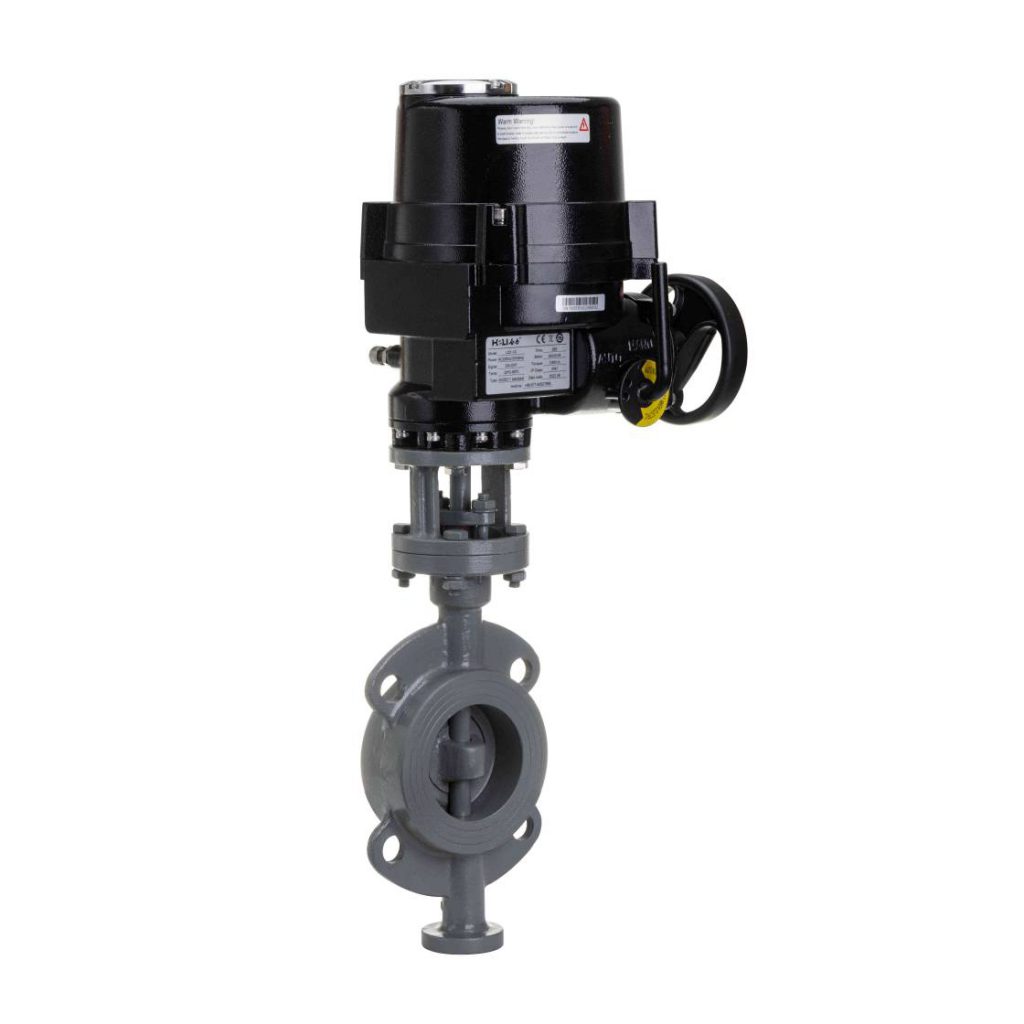
The WCB Marine Electric Butterfly Valve is a specialized type of valve commonly used in marine systems to control the flow of various fluids, such as seawater, fuel, and other liquids, through pipelines. The “WCB” designation refers to the valve’s construction material—WCB carbon steel, which is known for its durability, strength, and resistance to wear and corrosion, making it ideal for harsh marine environments. The valve operates with an electric actuator, offering automated control for precise operation. This integration of electric actuation provides several advantages over traditional manual control valves, such as remote operation, faster response times, and enhanced safety. The butterfly valve itself features a disc that rotates within the pipe to regulate fluid flow, opening or closing the passage depending on the desired flow rate.