The WCB Electric two-seat regulating valve is an essential component in many modern industrial control systems, offering precise regulation of fluid flow, pressure, and temperature. These valves are commonly used in a wide range of industries, including petrochemical, power generation, and manufacturing, due to their exceptional performance and reliability in handling critical fluid dynamics. This article will explore the features, advantages, and applications of the WCB Electric two-seat regulating valve, shedding light on its role in optimizing fluid control processes.
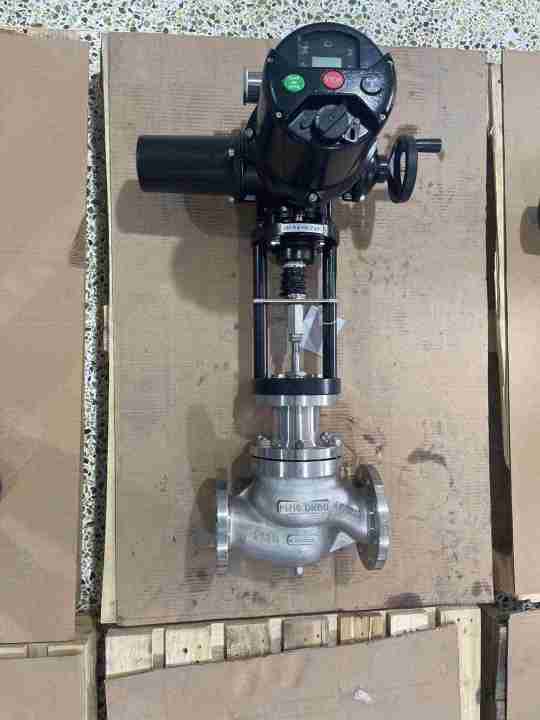
What is a WCB Electric Two-Seat Regulating Valve? The WCB Electric two-seat regulating valve is a type of control valve that utilizes a dual-seat configuration and is driven by an electric actuator. “WCB” refers to the material of the valve body, which is wrought carbon steel, known for its durability and strength under high-pressure conditions. The two-seat design enhances flow control by providing two sealing points, allowing for more accurate and efficient regulation of fluid flow compared to single-seat valves. The valve is equipped with an electric actuator, which enables remote control via electrical signals. These signals (typically 4-20mA or 0-10V) dictate the position of the valve, adjusting its opening and closing to regulate the flow rate or pressure of the fluid passing through it. This precise, automated control makes the WCB Electric two-seat regulating valve an integral part of automated systems where precise regulation is necessary.