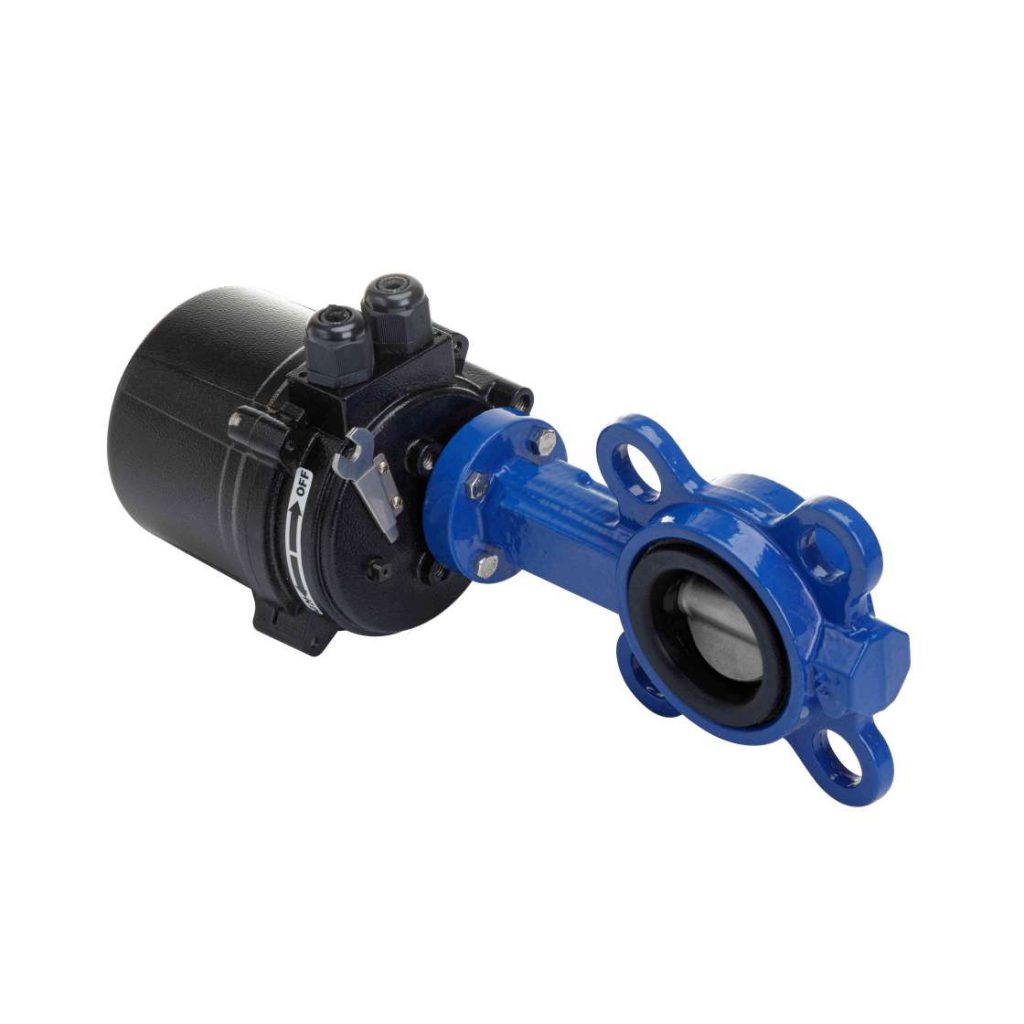
In the realm of agricultural irrigation, precision and efficiency are paramount. As farmers and agricultural businesses strive to optimize water usage while ensuring adequate irrigation, innovative solutions are increasingly necessary. One such solution is the WCB Electric Butterfly Valve, a device designed to enhance control over water flow in irrigation systems. This article explores the functionality, benefits, and applications of the WCB Electric Butterfly Valve, highlighting its significance in modern agricultural practices.
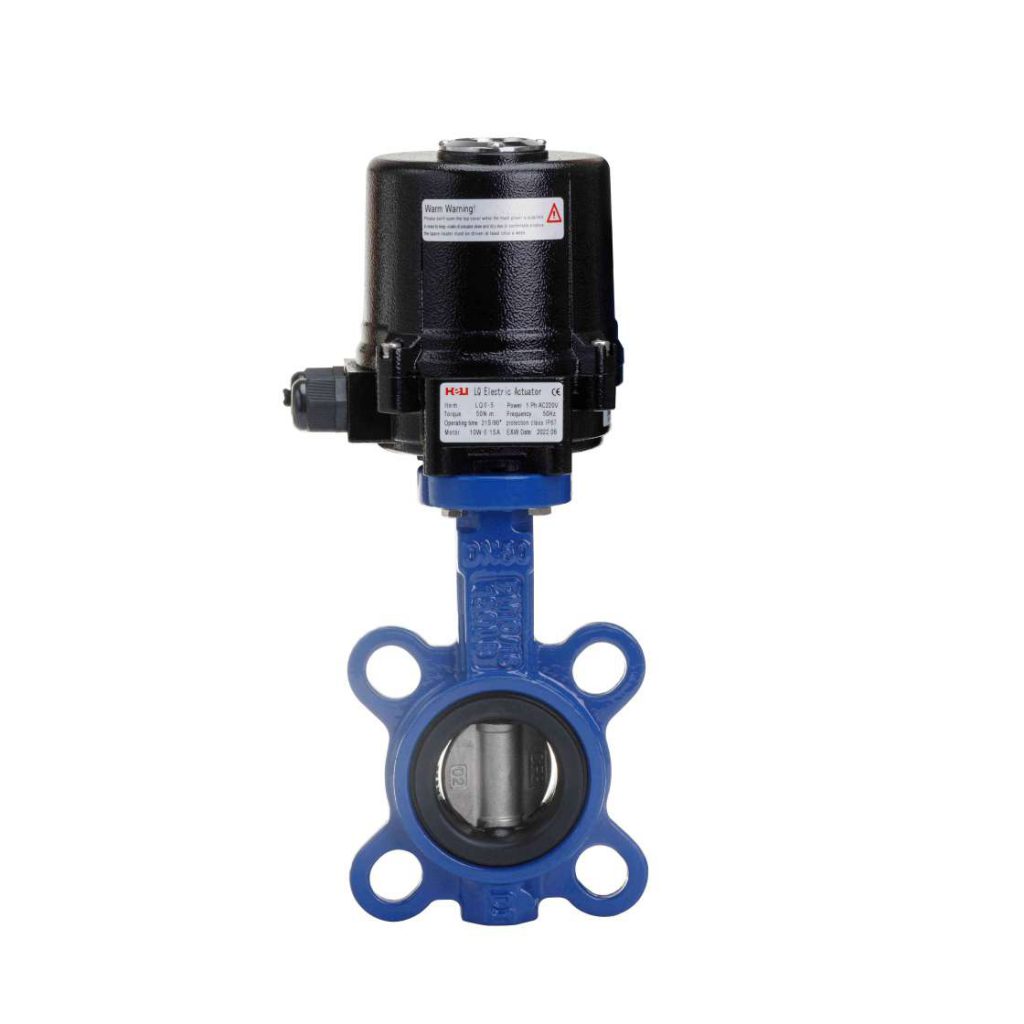
Understanding the WCB Electric Butterfly Valve
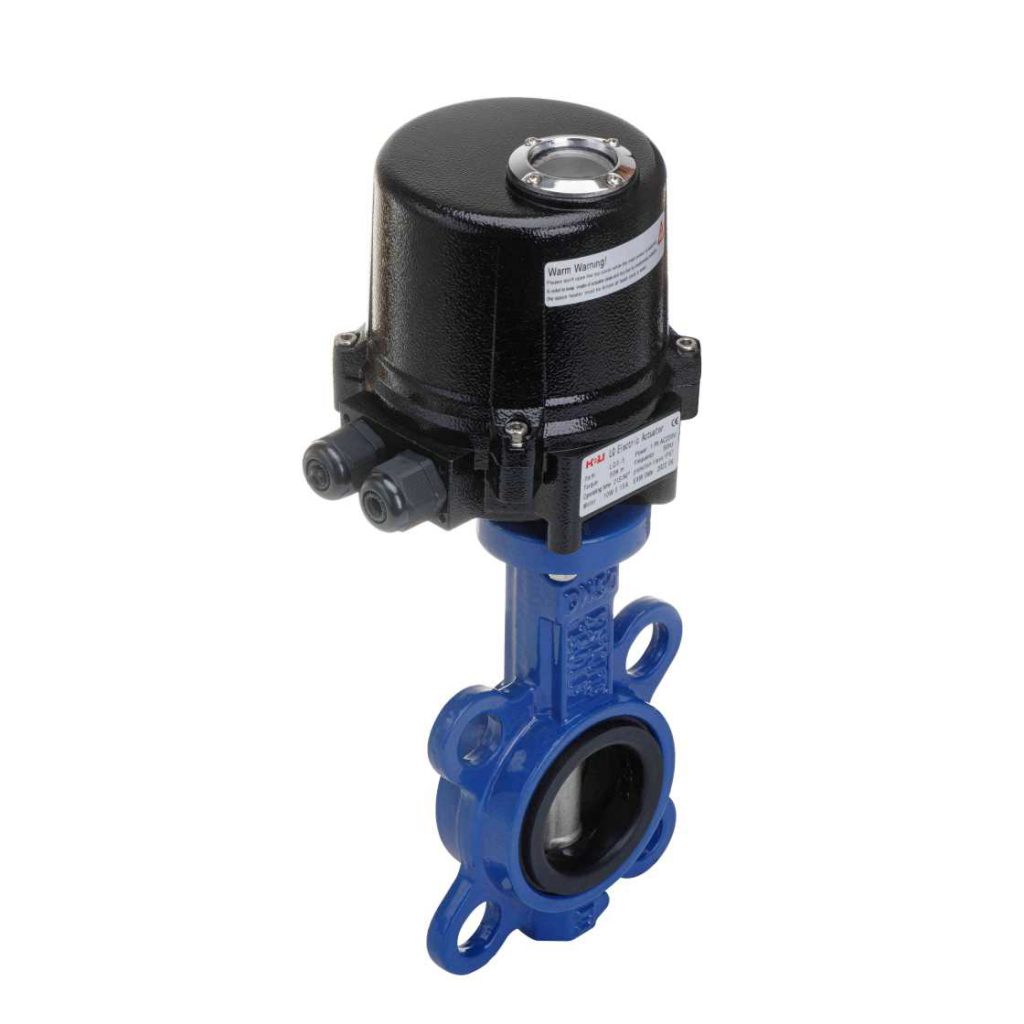
The WCB Electric Butterfly Valve is a type of valve that utilizes a rotating disc to regulate fluid flow. This design allows for quick and efficient opening and closing, making it ideal for applications where rapid flow control is necessary. Constructed from high-quality materials, the WCB valve is engineered to withstand the rigors of agricultural environments, including exposure to moisture, chemicals, and varying temperatures. One of the defining features of the WCB Electric Butterfly Valve is its electric actuation mechanism. Unlike manual valves, which require physical effort to operate, the electric actuator allows for remote or automated control. This is particularly beneficial in large agricultural settings, where accessing valves manually can be cumbersome and time-consuming. With an electric actuator, farmers can manage irrigation systems with ease, ensuring that water is distributed precisely where and when it is needed.