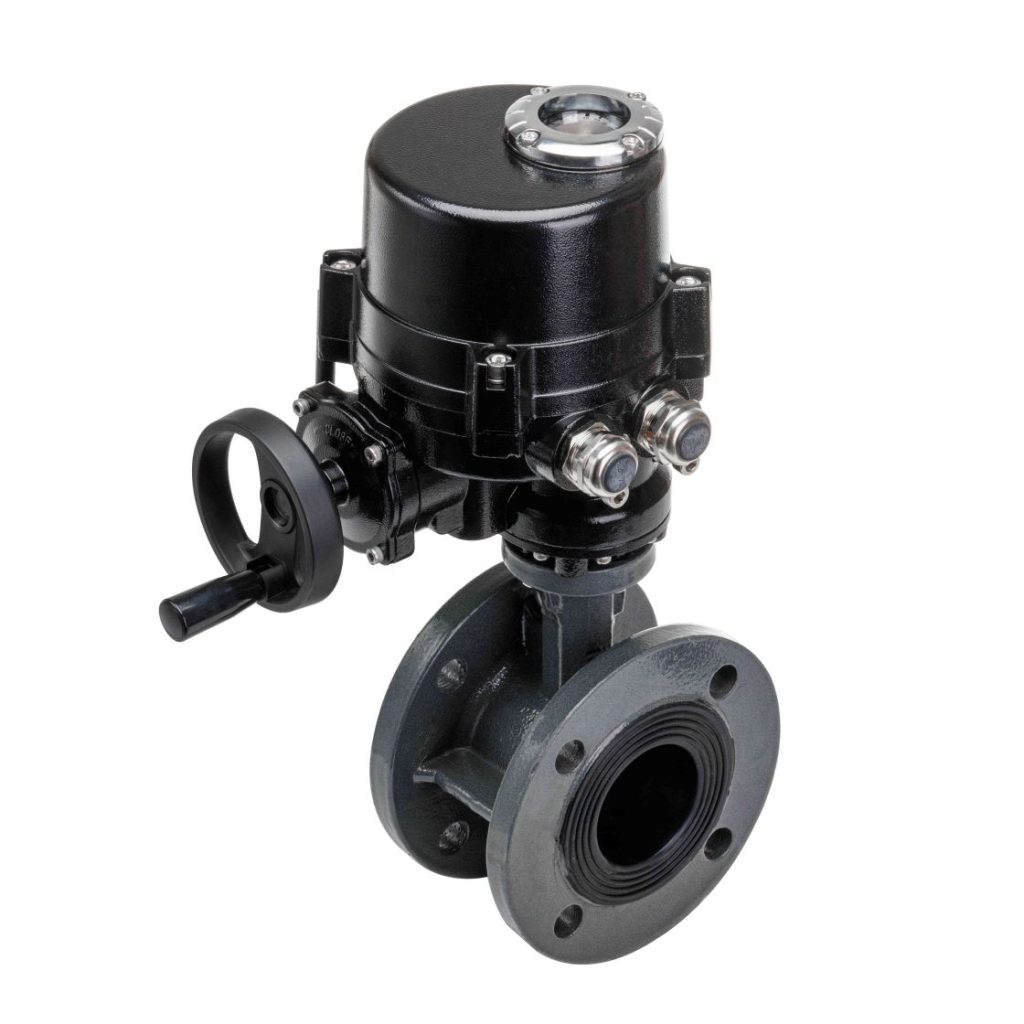
The WCB Electric Ball Valve is a remarkable innovation in fluid control technology that has been gaining significant attention in various industries. These valves play a crucial role in regulating the flow of liquids or gases through pipelines, offering a higher level of precision, reliability, and ease of operation. With their electric actuator mechanisms, WCB Electric Ball Valves are fast becoming the go-to choice for modern automated systems. In this article, we will explore the features, advantages, applications, and maintenance of WCB Electric Ball Valves, highlighting their role in improving operational efficiency.
What is a WCB Electric Ball Valve?
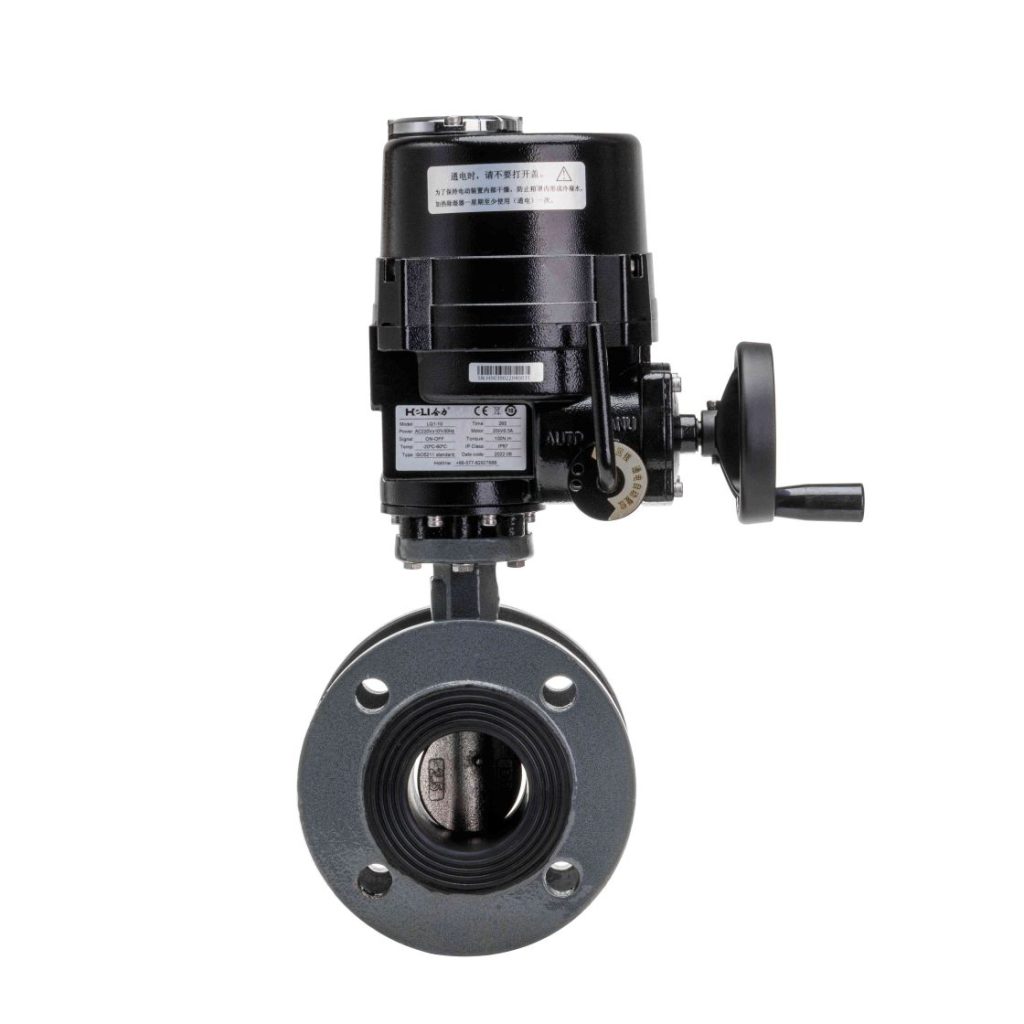
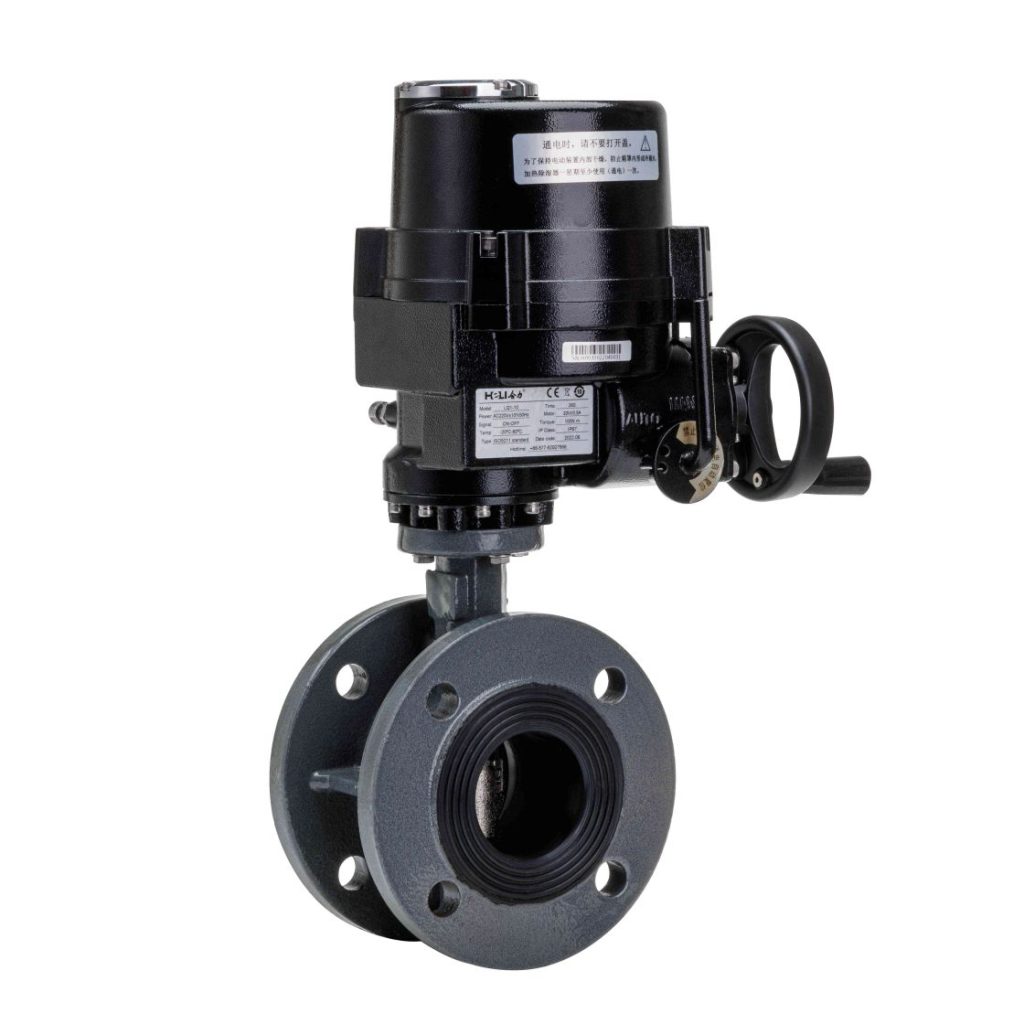
A WCB Electric Ball Valve is a type of valve that is used to control the flow of fluids through a pipeline. The “WCB” in its name refers to the material grade of the valve body, which is made from cast carbon steel, a durable material known for its ability to withstand high pressure and temperature. The electric ball valve consists of a spherical ball with a hole through the center that rotates to control the flow. The electric actuator connected to the valve controls the movement of the ball, making the process of opening or closing the valve seamless and efficient. Electric ball valves are typically preferred in applications where automatic operation and precise control are required. They are especially useful for regulating fluid flow in systems that demand high-speed operation, minimal downtime, and a high degree of safety.